
Views: 0 Author: Site Editor Publish Time: 2026-10-29 Origin: Site


Upgrading to or specifying Mortise Door Locks requires a higher upfront investment and more complex installation than standard cylindrical locks. Standard hardware simply cannot match their immense durability. It also falls short on advanced security features. Buyers face a real challenge here. You must balance superior security and aesthetic longevity against stringent door preparation requirements.
Incorrect measurements or poor material choices can ruin an expensive entryway. You need a solution built to last decades. A successful purchase means matching exact door specifications first. You must also achieve the desired ANSI/BHMA security grade for your facility.
Finally, you should select heavy-duty materials to prevent internal mechanical failure. We will guide you through evaluating your structural needs. We will also show you how to measure accurately and pick the ideal hardware. Knowing these technical details ensures a seamless installation.
Measurement is non-negotiable: Accurate backset, spacing, and door thickness measurements dictate whether a mortise cassette will actually fit your door.
Internal materials matter: A solid brass mortise lock body resists corrosion and mechanical wear significantly better than die-cast zinc or plastic alternatives.
Retrofitting involves risk: Converting a door from a standard cylindrical bore to a mortise pocket often requires specialized carpentry or total door replacement.
Security is verifiable: Look for third-party certifications (e.g., ANSI Grade 1 or 2) rather than relying on manufacturer marketing claims.
Security upgrades begin by evaluating structural integrity. A mortise door lock uses an integrated cassette design. Installers slide this rectangular chassis deep into a carved pocket inside the door. This method distributes physical force across a much wider area of the door frame compared to cylindrical locks. Cylindrical systems concentrate stress around a single circular bore hole. Burglars can easily exploit this localized weakness. Mortise systems absorb heavy impacts and resist aggressive prying attempts.
You must define where this heavy-duty hardware makes sense. We recommend mortise systems for specific use cases:
High-traffic commercial entries: Office buildings and retail spaces require hardware built for thousands of daily cycles.
Premium residential front doors: Homeowners want maximum exterior security paired with elegant trim.
Historic restorations: Older properties often require mortise locks to maintain architectural authenticity.
However, mortise hardware is overkill for interior residential closet doors or standard bedrooms. Cylindrical locks handle low-security, low-traffic areas perfectly.
Buyers should also weigh the cost-to-lifespan ratio. Initial hardware prices and carpentry routing costs run higher for mortise configurations. Yet, the mean time between failures (MTBF) for heavy-duty mortise systems is substantially longer. You replace them far less often. This unmatched durability reduces long-term replacement costs significantly.
Accurate measurements prevent costly installation errors. The mortise cavity inside your door requires precise "pocket" dimensions. Installers must carve out the exact height, depth, and width to house the cassette. A pocket cut too shallow leaves the faceplate protruding. A pocket cut too wide compromises the internal wood structure.
Backset remains a critical sizing metric. You measure the backset from the very edge of the door to the center of the cylinder or spindle hole. Commercial properties typically use a 2-3/4 inch backset. Residential doors often utilize a 2-1/2 inch backset. Choosing the wrong backset means your levers will not align properly.
You must also measure the spacing, commonly called Center-to-Center (CTC). CTC defines the exact vertical distance between the handle spindle and the key cylinder. Trim plates will not fit over the chassis if the CTC measurement mismatches the hardware template.
Door thickness constraints dictate hardware compatibility. Most standard door lock body assemblies require a minimum door thickness of 1-3/4 inches. Narrower doors risk structural compromise when routed. Cutting a deep pocket into a 1-3/8 inch door leaves the side walls too thin. The door may crack or split during daily use.
Standard Mortise Pocket Dimension Guide
Measurement Element | Typical Dimension range | Critical Checkpoint |
|---|---|---|
Cassette Height | 4 to 6 inches | Clearance for internal latch components. |
Cassette Depth | 3 to 4 inches | Must accommodate backset plus rear chassis. |
Backset | 2-1/2" or 2-3/4" | Aligns keyhole with exterior trim. |
Door Thickness Minimum | 1-3/4 inches | Ensures structural integrity after routing. |
External aesthetics mean nothing if internal mechanics fail. Cassette construction directly impacts longevity. Many budget brands use stamped steel casings. Stamped steel bends under heavy torque. Premium manufacturers utilize heavier-gauge extruded materials. Extruded chassis maintain strict tolerances and protect internal gears from shifting.
Internal componentry dictates the lock's lifespan. We strongly recommend specifying a brass mortise lock body or utilizing stainless steel internal mechanisms. Brass naturally resists rust and harsh environmental corrosion. Heavy-duty springs prevent lever sagging. Stainless steel hubs mitigate the risk of spring fatigue and latch-jamming. High-quality internal metals ensure flawless operation over a 10-to-20-year horizon.
You should also evaluate faceplates and strike plates. The faceplate covers the mortise pocket edge and conceals the cylinder set screws. Armored front plates add an essential security layer. They prevent attackers from removing the set screws and extracting the key cylinder. Heavy-duty strike plates secure the latch into the door jamb. A weak strike plate will fail during a kick-in attempt, regardless of the cassette's strength.
Buyers should never rely on marketing jargon to assess security. You must verify ANSI/BHMA grading. The Builders Hardware Manufacturers Association tests hardware for cycle lifespan and impact resistance.
Grade 1: This represents heavy-duty commercial hardware. Grade 1 locks withstand over one million cycles and severe physical attacks. They are ideal for high-security perimeters and institutional environments.
Grade 2: This rating covers standard commercial and heavy residential hardware. Grade 2 handles 400,000 cycles. It provides excellent security for premium homes and medium-traffic offices.
Key cylinder types determine your access control strategy. Standard mortise cylinders require a locksmith to rekey the pins manually. Interchangeable Core (IC) cylinders allow facility managers to swap cores instantly using a control key. IC systems provide scalable key management for large buildings. High-security keyways prevent unauthorized key duplication through patented restrictions.
Code compliance dictates commercial hardware selection. ADA compliance requires lever returns curving back toward the door face. This prevents clothing snags. Multi-family and commercial installations also require fire-rated latch mechanisms. UL listed locks withstand intense heat and keep doors securely closed during a fire emergency.
Proper installation requires extreme precision. The routing process demands specialized equipment. Carpenters use mortise jigs and plunge routers to cut the pocket. The cavity must sit perfectly plumb. Errors in routing can permanently ruin a solid core or wood door. A crooked pocket causes internal binding, preventing the latch from retracting smoothly.
You face different risks depending on the project type:
New Doors: Always recommend ordering doors pre-prepped from the manufacturer. Provide the door factory with your exact lock template. They use CNC machines to cut flawless pockets.
Retrofitting: Converting a cylindrical bore to a mortise setup requires plugging old holes and carving a new cavity. We strongly advise hiring a specialized locksmith or carpenter. We warn against DIY installation for first-timers.
Determining door handing prevents major on-site delays. Handing refers to how the door swings. You must identify if the door is Left Hand (LH), Right Hand (RH), Left Hand Reverse (LHR), or Right Hand Reverse (RHR). Stand on the secure side of the door to determine the hinge location and swing direction. While some modern locks are field-reversible, flipping the internal latch on-site wastes valuable labor time. Ordering the correct handing initially ensures a smooth workflow.
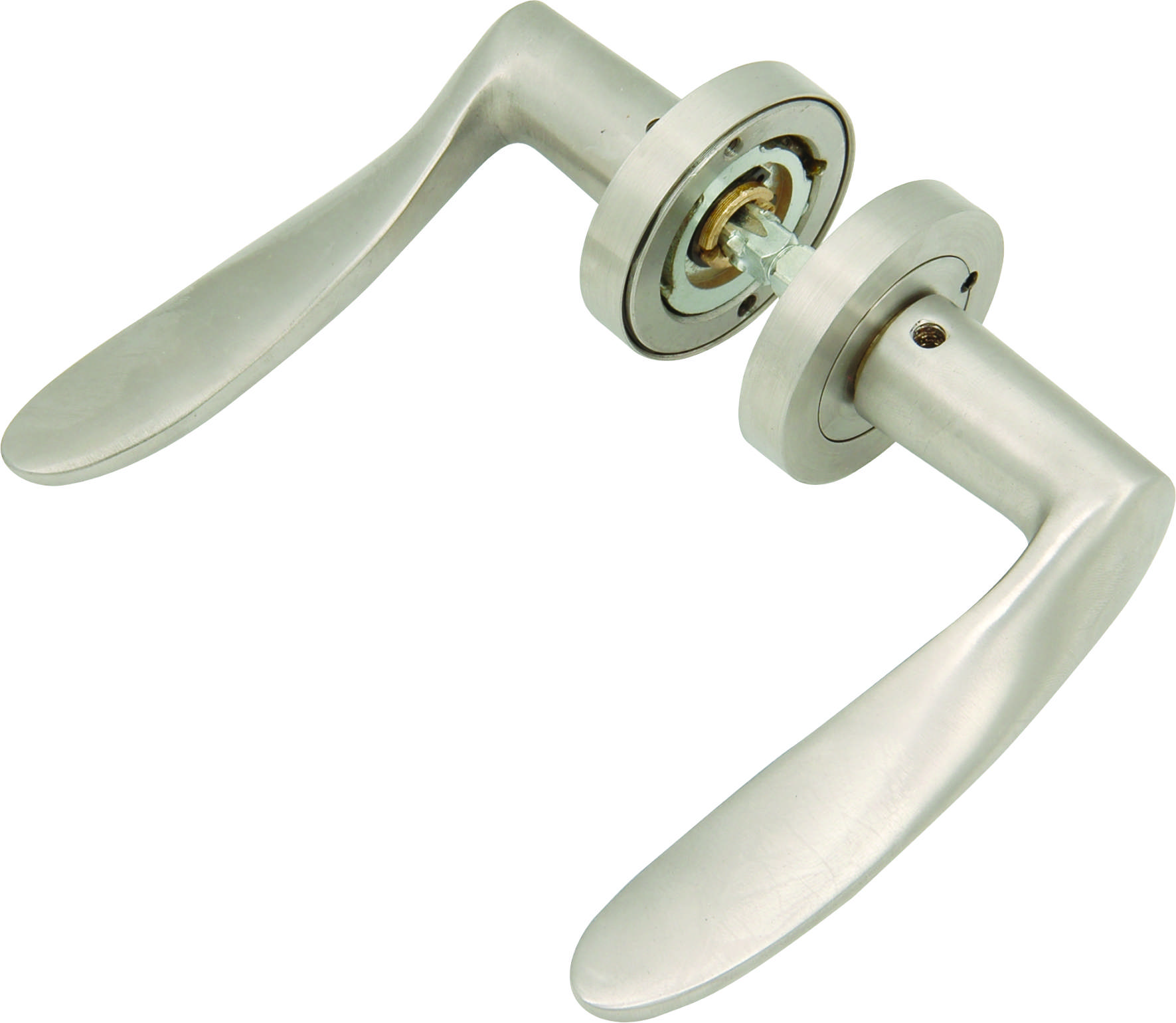
Mortise setups offer unparalleled design flexibility. Aesthetic integration plays a massive role in luxury and commercial projects. You can easily match escutcheon plates, sectional trim (roses), and levers to the building's design language. Because the mechanics sit entirely inside the door, designers can specify minimalist exterior trim. An elegant architectural door lock elevates the entire entryway while hiding a massive security chassis inside.
Vendor evaluation protects your investment. What should you look for in a manufacturer? First, review their warranty terms. Lifetime mechanical warranties indicate high confidence in their engineering. Second, check the availability of replacement springs and parts. You want a vendor who sells individual internal components, not just entire replacement locks. Finally, demand clear technical templates. Clean CAD files and PDF templates prevent routing errors.
Use this strict checklist to finalize your purchase:
Measure your door thickness and verify it meets the 1-3/4 inch minimum.
Confirm the exact door handing (LH, RH, LHR, RHR).
Select the appropriate ANSI/BHMA security grade for your traffic level.
Choose a trim style matching your architectural aesthetics.
Verify the availability of a qualified, experienced installer.
Choosing the right mortise lock is fundamentally a structural decision before it is an aesthetic one. These heavy-duty systems offer unmatched security and longevity, but only if they fit perfectly. You must verify physical door dimensions, including thickness and backset, before purchasing any hardware.
We strongly recommend prioritizing solid internal materials over exterior finishes. Extruded chassis and brass internal components guarantee smooth operation for decades. Aesthetics remain important, but they rely on a flawless mechanical foundation.
Finally, avoid the temptation to handle routing and installation yourself. Encourage consulting with a professional door hardware specifier if you are outfitting a commercial space or historic property. Take the time to measure twice, evaluate your security needs, and hire an expert installer to protect your property effectively.
A: Yes, but the process is highly complex. It requires filling the existing cylindrical holes with wood blocks and routing a completely new rectangular pocket. This process is labor-intensive and may leave visible patching on the door surface. You usually need to paint or re-veneer the door afterward to hide the modifications.
A: A mortise system uses a unified rectangular chassis housing both the latch and the deadbolt. A tubular system requires separate, smaller circular bores for the latch and the deadbolt. The unified mortise design provides significantly higher impact resistance and durability.
A: Yes, their superior security comes from a larger deadbolt size and heavier internal components. The entire lock is housed deep within the solid wood or metal structure of the door. This internal positioning makes the lock highly resistant to physical force, prying, and leverage attacks.
A: The standard benchmark for a mortise installation is a 1-3/4 inch thick door. Doors measuring 1-3/8 inches are generally too thin. Routing a deep cavity into a thin door removes too much material, which compromises the door's structural integrity and leads to cracking over time.