
Views: 0 Author: Site Editor Publish Time: 2026-07-30 Origin: Site


Hardware failures on high-traffic building doors drive a massive percentage of post-occupancy maintenance requests, despite accounting for a tiny fraction of the initial construction budget. Specifying lightweight, residential-grade, or visually appealing but structurally inferior hardware in hospitals, schools, and high-density multifamily projects leads to sagging doors, compromised security, failed fire inspections, and ADA compliance violations. The daily abuse these environments endure quickly exposes the weaknesses of hollow metals and weak internal springs.
Selecting the right Architectural Hardware requires a rigorous evaluation of ANSI/BHMA grading, material composition, and internal mechanisms. You must move beyond mere aesthetic considerations to balance design intent with rugged durability. This guide details how to evaluate and specify hardware components that withstand millions of cycles, ensuring long-term performance, life safety, and accessibility compliance in demanding commercial environments.
Grade 1 Certification is Non-Negotiable: High-traffic facilities require ANSI/BHMA Grade 1 hardware tested for millions of cycles to prevent premature mechanical failure.
Material Integrity Dictates Lifespan: Solid metal construction (like marine-grade stainless steel) and reinforced internal mechanisms drastically outperform hollow or plated alternatives in commercial and urban settings.
Compliance is a Baseline, Not a Feature: Proper specification must simultaneously satisfy ADA accessibility standards, local fire codes, and egress requirements without compromising security.
High-traffic environments encompass diverse building typologies, including schools, hospitals, urban multifamily residential complexes, and high-density commercial office buildings. In these settings, doors and hardware experience hundreds or thousands of cycles daily. Baseline performance expectations require hardware to function smoothly without sagging, binding, or requiring constant adjustments. Success means the hardware operates flawlessly under heavy physical abuse, frequent chemical cleaning, and constant environmental exposure. When we walk a site a year after handover, the difference between properly specified hardware and value-engineered alternatives is immediately obvious. The former operates silently; the latter requires a dedicated maintenance technician just to keep the building secure.
Value-engineering hardware during the construction phase often creates exponential maintenance costs later. Substituting heavy-duty commercial hardware for cheaper, lighter alternatives saves a small amount upfront but guarantees premature failure. Within the first three years of occupancy, facility managers face constant repair requests, broken latches, and sagging doors. The labor costs to repeatedly adjust and eventually replace failing hardware far exceed the initial savings achieved during procurement. We see this constantly in multifamily developments where residential-grade levers are installed on common amenity doors. They simply shear off after a few months of heavy use.
Mismatched, cheap, or untested Door Hardware undermines building security protocols and compromises access control systems. When a latch binds or a closer fails to secure a door, unauthorized access becomes a significant risk. Furthermore, failing hardware creates immense liability regarding fire safety and emergency egress. Exit devices must function instantly during an emergency; a jammed crash bar or a failing fire-rated latch can lead to catastrophic consequences and severe code violations. Fire marshals do not accept excuses for doors that fail to latch positively during an inspection.
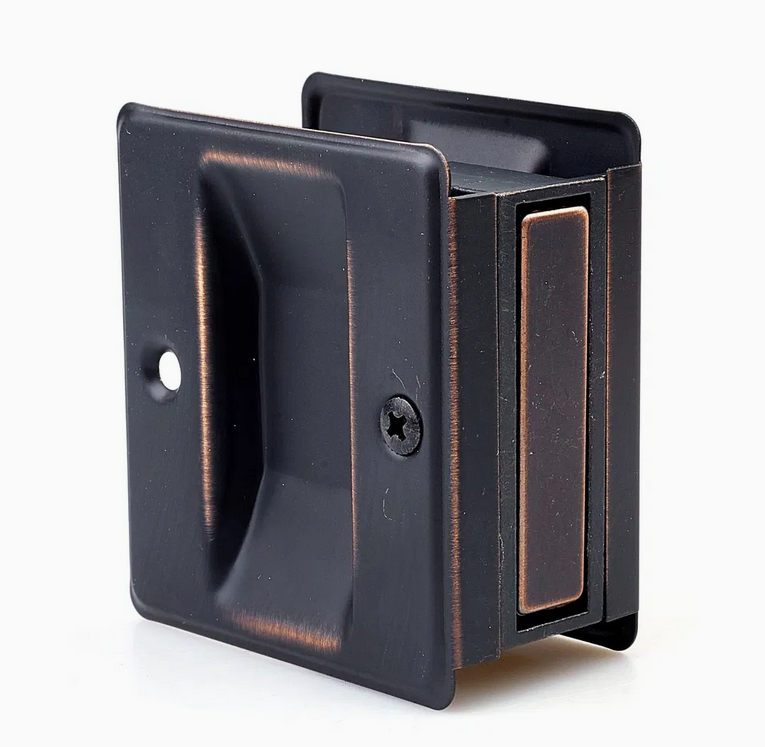
The Builders Hardware Manufacturers Association (BHMA), accredited by ANSI, establishes strict performance standards based on operational cycle testing. Grade 1 represents commercial and heavy-duty hardware, tested to withstand 1 million to over 2 million cycles, depending on the specific component. Grade 2 covers standard duty and light commercial applications, typically tested to 400,000 cycles. Grade 3 is strictly for residential use, tested to 200,000 cycles.
For high-traffic exterior and primary interior doors, Grade 1 is the minimum viable standard. The physical impact forces and sheer volume of daily usage in commercial buildings will destroy Grade 2 or Grade 3 hardware rapidly. Specifying Grade 1 ensures the internal springs, chassis, and latching mechanisms can handle the relentless wear and tear.
BHMA Grade | Application Type | Cycle Testing Requirement | Best Use Case |
|---|---|---|---|
Grade 1 | Heavy Duty Commercial | 1,000,000+ Cycles | Hospitals, Schools, Main Entrances |
Grade 2 | Standard Commercial | 400,000 Cycles | Interior Office Doors, Low-Traffic Areas |
Grade 3 | Residential | 200,000 Cycles | Private Homes, Light Duty Closets |
The base material dictates the structural integrity and corrosion resistance of the hardware. Marine-grade stainless steel (grade 316) offers exceptional durability and corrosion resistance, making it ideal for coastal or high-corrosion urban environments. Solid brass and bronze provide excellent tensile strength and durability. In contrast, zinc alloys, aluminum, and plated plastics lack the necessary density and strength for heavy commercial use.
Cast or forged metals provide superior structural stability compared to stamped or hollow components. In high-stress, high-impact applications, hollow handles will dent, bend, or shear off entirely. Solid metal construction ensures the hardware maintains its shape and functionality even under severe physical abuse. You can literally feel the difference in your hand; solid forged brass has a weight and rigidity that stamped zinc simply cannot replicate.
The exterior appearance of a handle means nothing if the internal mechanisms fail. High-traffic hardware requires heavy-duty return springs to prevent handle sag over time. Reinforced chassis and precision-machined internal components prevent latch binding and mechanical failure under abuse. Cheaper hardware uses plastic or thin stamped metal internal parts that wear down quickly, leading to sloppy operation and eventual lockouts or security breaches.
Door sagging is a common failure point in high-traffic areas, caused by the immense weight and leverage exerted on standard butt hinges. Continuous (piano) hinges distribute the door's weight and physical stress evenly across the entire length of the frame and door leaf. This continuous support prevents the door from pulling away from the frame, extending the life of both components and ensuring consistent latch alignment.
For oversized, high-abuse, or exceptionally heavy doors in lobbies and main entrances, heavy-duty pivots offer superior performance. Pivots transfer the door's weight directly to the floor rather than the frame, allowing for massive door leaves to operate smoothly without causing structural strain on the surrounding jambs.
Crash bars and panic devices require rigorous evaluation for heavy-duty dogging mechanisms, motorized latch retraction, and impact resistance. High-traffic exit devices face constant physical impact from carts, heavy equipment, and rushing pedestrians. The internal chassis must withstand this abuse without bending or jamming.
These devices must balance unique security demands with life safety. They ensure immediate, unhindered egress during emergencies while preventing external manipulation or forced entry. Specifying heavy-duty, Grade 1 panic hardware guarantees the latching mechanism remains secure from the outside while always yielding to interior pressure.
Door closers endure immense strain from wind drafts, physical abuse, and constant cycling. Heavy-duty, cast-iron door closers with adjustable backcheck and delayed action are necessary to prevent wind damage and closing impact failures. The backcheck function prevents the door from being thrown open violently, protecting the hinges, frame, and adjacent walls.
When integrating mechanical hardware with electronic access control systems, physical compatibility and durability are paramount. Electrified hinges, electric strikes, and fail-safe/fail-secure locksets must match the mechanical durability of the door. A heavy-duty door paired with a light-duty electric strike will result in rapid failure of the access control point.
High-traffic principles apply equally to casework, cabinetry, and specialized Furniture Hardware. Breakrooms, laboratories, mailrooms, and shared multifamily amenities experience heavy usage that quickly destroys standard residential cabinet hardware.
Evaluate ball-bearing, over-travel drawer slides rated for heavy loads to prevent drawer failure. Specify 170-degree commercial-grade cabinet hinges that allow doors to open fully without tearing the hinge off the cabinet box when pushed past 90 degrees. These robust components ensure casework remains functional in demanding shared spaces.
Standard wood-screw-mounted pulls often strip out of cabinet doors under heavy use. Through-bolted cabinet pulls and furniture hardware provide vastly superior durability, clamping the hardware securely through the entire thickness of the door or drawer face. This mounting method prevents the hardware from loosening or pulling off over time.
Frequent chemical sanitization in healthcare, hospitality, and commercial environments degrades standard finishes quickly. Specify finishes that resist harsh cleaning agents, ensuring the furniture hardware maintains its appearance and integrity despite rigorous daily cleaning protocols.
ADA requirements dictate that architectural hardware must be operable with one hand and require no tight grasping, pinching, or twisting of the wrist. Lever designs, push/pull plates, and panic bars fulfill these requirements, whereas traditional round knobs do not.
Opening force requirements strictly limit the effort needed to operate interior and exterior doors. Proper specification of door closers and hinges is critical to ensure doors remain accessible while still latching securely. Heavy doors must operate smoothly enough to meet the 5-pound maximum opening force mandate for interior non-fire-rated doors.
Hardware installed on fire-rated doors faces strict regulations to ensure compartmentalization during a fire. Positive latching requirements mandate that the door must latch securely when closed, preventing drafts from feeding the fire. Manual or mechanical dogging (locking the crash bar in the open position) is strictly prohibited on fire-rated exit hardware.
UL listing, rigorous testing standards, and proper labeling are mandatory for passing fire marshal inspections in commercial and multifamily environments. Any modification to fire-rated hardware, or the use of non-rated components on a fire door, voids the rating and creates severe life safety liabilities.
You can select high-performance architectural hardware that complements the building's aesthetic intent without sacrificing durability. Manufacturers now offer Grade 1 commercial hardware in contemporary styles and profiles. Identifying high-durability finishes that match modern architectural palettes, such as matte black, satin chrome, or oil-rubbed bronze, allows designers to achieve their vision while ensuring long-term functionality.
Physical vapor deposition (PVD) finishes offer exceptional resistance to scratches, chemicals, and tarnishing compared to standard powder coating or clear lacquers. PVD bonds the finish at a molecular level, making it ideal for high-traffic touchpoints.
When specifying "living finishes" like unlacquered brass, which naturally oxidize and patina over time, set realistic expectations for facility managers regarding appearance. Non-living finishes maintain a consistent look but require robust application methods like PVD to survive commercial environments.
Improper installation causes even premium hardware to fail prematurely and often voids manufacturer warranties. Common contractor mistakes include improper templating, misaligned strikes, incorrect closer tension, and using mismatched or inferior screws. Specifying factory-prepped doors ensures precise cutouts and alignment. Mandating certified installers for complex access control and exit hardware prevents costly on-site errors.
Verify door and frame prep dimensions against the hardware templates before drilling.
Ensure the door closer spring tension is adjusted to match the door weight and width.
Check that the latch bolt fully extends and engages the strike plate without binding.
Confirm all through-bolts are tightened to the manufacturer's torque specifications.
Early coordination between architects, hardware consultants, security integrators, and professional locksmiths ensures seamless physical and electronic hardware pairing. Misalignment between the mechanical lockset and the electronic strike, or incompatible voltage requirements, leads to immediate operational failures. Clear communication during the specification phase prevents these integration disasters.
For facility managers dealing with failing legacy hardware, a strategic approach to upgrades manages costs effectively. Prioritize complete retrofits on exterior envelopes and high-use corridors where security and life safety are paramount. Secondary spaces can undergo phased upgrades as budgets allow, replacing failing components systematically rather than attempting a facility-wide overhaul all at once.
Architectural hardware in high-traffic buildings serves as a critical safety, security, and operational asset. Prioritize ANSI/BHMA Grade 1 certification, solid metal construction, continuous hinges for heavy doors, and strict adherence to ADA and fire code compliance. To ensure your next project avoids costly hardware failures, follow these immediate next steps:
Audit your current hardware schedules to verify all primary doors specify ANSI/BHMA Grade 1 components.
Request physical cutaway samples from manufacturers to inspect the internal chassis and spring mechanisms.
Consult with a certified Architectural Hardware Consultant (AHC) to review your access control integration points.
Mandate factory-prepped doors in your specifications to eliminate on-site installation errors.
A: Grade 1 hardware withstands 1 million to over 2 million cycles and higher physical impact forces, making it mandatory for commercial high-traffic use. Grade 2 is designed for standard or light commercial use, typically tested to only 400,000 cycles, and will fail quickly in heavy-use environments.
A: Marine-grade stainless steel (316) and solid forged brass or bronze are best due to their exceptional tensile strength, resistance to corrosion, and ability to withstand severe physical abuse without deforming.
A: Continuous hinges distribute the door's weight and physical stress evenly along the entire length of the frame and door leaf, rather than concentrating the load on three or four specific pivot points, preventing the door from pulling away from the jamb.
A: Commercial furniture hardware features heavy-duty load-bearing capacities, through-bolting for pull handles, and heavy-duty ball-bearing mechanisms for cabinet slides that resist repetitive, forceful daily use without breaking or detaching.
A: ADA mandates that operable parts must not require tight grasping, pinching, or twisting of the wrist. This is typically fulfilled by lever handles and specific push/pull force limits, such as requiring under 5 lbs of force to open interior doors.
A: Developers often specify light-commercial or high-end residential grade hardware to save costs. This hardware quickly fails under the heavy, continuous usage of shared corridors and entryways, leading to high maintenance overhead and compromised fire doors.
A: Properly specified and maintained Grade 1 hardware can last 15 to 20 years or more. Conversely, under-specified or lighter-grade hardware may fail and require replacement within 1 to 3 years in high-traffic environments.