


Have you ever experienced a door slamming into the wall, leaving a dent or scratch behind? It’s frustrating, but there's an easy solution—a door stop.
In this article, we’ll dive into the definition of a door stop, how it works, and the different types available. You'll also learn why this simple tool is a must-have in any home or office for protecting your space from damage.
A door stop is a simple yet essential device designed to limit the movement of a door. It serves two main functions: preventing the door from swinging too far open and stopping it from slamming shut. By controlling the door’s movement, a door stop helps protect walls, furniture, and the door itself from damage. These devices are commonly used in both residential and commercial spaces, offering a practical and cost-effective solution to maintain the functionality and aesthetics of your space.
Door stops come in a variety of designs, sizes, and materials to accommodate different door types and meet the aesthetic preferences of the user. Whether it's a sleek, modern model for a contemporary home or a more decorative piece for a vintage room, there is a door stop to suit any need. The versatility of door stops allows them to be used in a wide range of environments, providing value beyond just preventing damage.
Door stops work based on simple mechanical principles. When the door is opened, it will eventually make contact with the door stop. The main purpose of the stop is to either absorb the force of the door or prevent it from moving further. Some door stops are designed to absorb the door’s impact, while others act as a physical barrier to restrict its movement.
There are several types of door stops, each using different methods to control the door’s movement:
Floor-mounted door stops are placed directly on the ground. These can either use friction or weight to keep the door stationary. The heavier versions are often designed for doors that need a more robust solution, such as heavy exterior doors. These stops are particularly effective at preventing the door from swinging too far, which could otherwise lead to damage to walls or furniture.
Wall-mounted door stops are typically installed at the height of the door handle. These stops act as a buffer when the door swings open, preventing it from hitting the wall or furniture. Wall-mounted door stops are often used in spaces where the door’s swing is wide, or where there is a risk of damaging the wall due to the force of the door.
Magnetic door stops are a modern solution to door control. They use magnets to hold the door in place at a specific angle. When the door is opened to the desired position, the magnets engage, preventing the door from swinging further. Magnetic door stops are ideal for those who want to hold doors open without the need for manual adjustment or to prevent doors from slamming shut due to drafts.
Spring-loaded door stops are designed to return to their original position once the door is moved. This design is particularly useful in high-traffic areas or commercial spaces, where doors need to be easily moved and held in place for short periods. The spring mechanism allows for quick release, ensuring that the door stop does not hinder the door’s movement when it is needed.
Door stops offer many practical advantages, particularly in protecting your walls, furniture, and doors from damage. They also enhance the safety and functionality of any space. Whether you need to prevent doors from slamming or just want to keep them securely in place, door stops are essential tools for managing door movement effectively.
Selecting the right door stop depends on several factors, including the type of door, its weight, and the amount of space available for installation. It’s important to consider both the functionality and the aesthetic of the door stop to ensure it complements the space and serves its purpose effectively.
Floor-mounted door stops are typically placed directly on the floor to either hold the door in place or prevent it from hitting walls and furniture. These stops are available in weighted and friction-based designs. Some are designed for heavy doors, while others are better suited for lighter doors.
Type | Use Case | Material | Advantages |
Weighted Floor Stops | For heavy doors to hold them in place | Rubber, Metal, Plastic | Secure placement, no additional mounting required |
Friction Floor Stops | To prevent doors from swinging too far | Rubber, Silicone | Affordable, simple installation |
Wall-mounted door stops are fixed to the wall at the height of the door handle. These stops are ideal for spaces where the door swings widely and might damage the wall or door. They prevent the door from making contact with the wall or furniture. Wall-mounted door stops are often used in high-traffic areas where the door is frequently opened and closed.
Type | Use Case | Material | Advantages |
Basic Wall Stops | To prevent door handles from damaging walls | Rubber, Plastic | Easy to install, doesn’t require floor space |
Decorative Wall Stops | Adds aesthetic appeal while protecting walls | Brass, Stainless Steel | Adds style to rooms, functional protection |
Wedge door stops are simple devices often made of rubber, wood, or plastic. Shaped like a wedge, these stops are placed behind the door to either hold it open or prevent it from closing. Wedge door stops rely on gravity and friction to stay in place, making them easy to move around as needed.
Type | Use Case | Material | Advantages |
Rubber Wedge Stops | Ideal for light doors and quick adjustments | Rubber | Easy to move, no installation needed |
Wooden Wedge Stops | For heavier doors that need added stability | Wood | Eco-friendly, durable |
Magnetic door stops use a pair of magnets—one on the door and the other on the wall or floor—to hold the door open at a desired angle. This type of stop is particularly useful in preventing the door from swinging too far or slamming shut. The magnets engage automatically when the door reaches a specific point, offering convenience and flexibility.
Type | Use Case | Material | Advantages |
Magnetic Floor Stops | Hold doors open in a secure position | Metal, Magnet | Holds door at a set angle, easy to adjust |
Magnetic Wall Stops | Prevent doors from slamming into the wall | Metal, Magnet | Convenient, keeps doors open or closed easily |
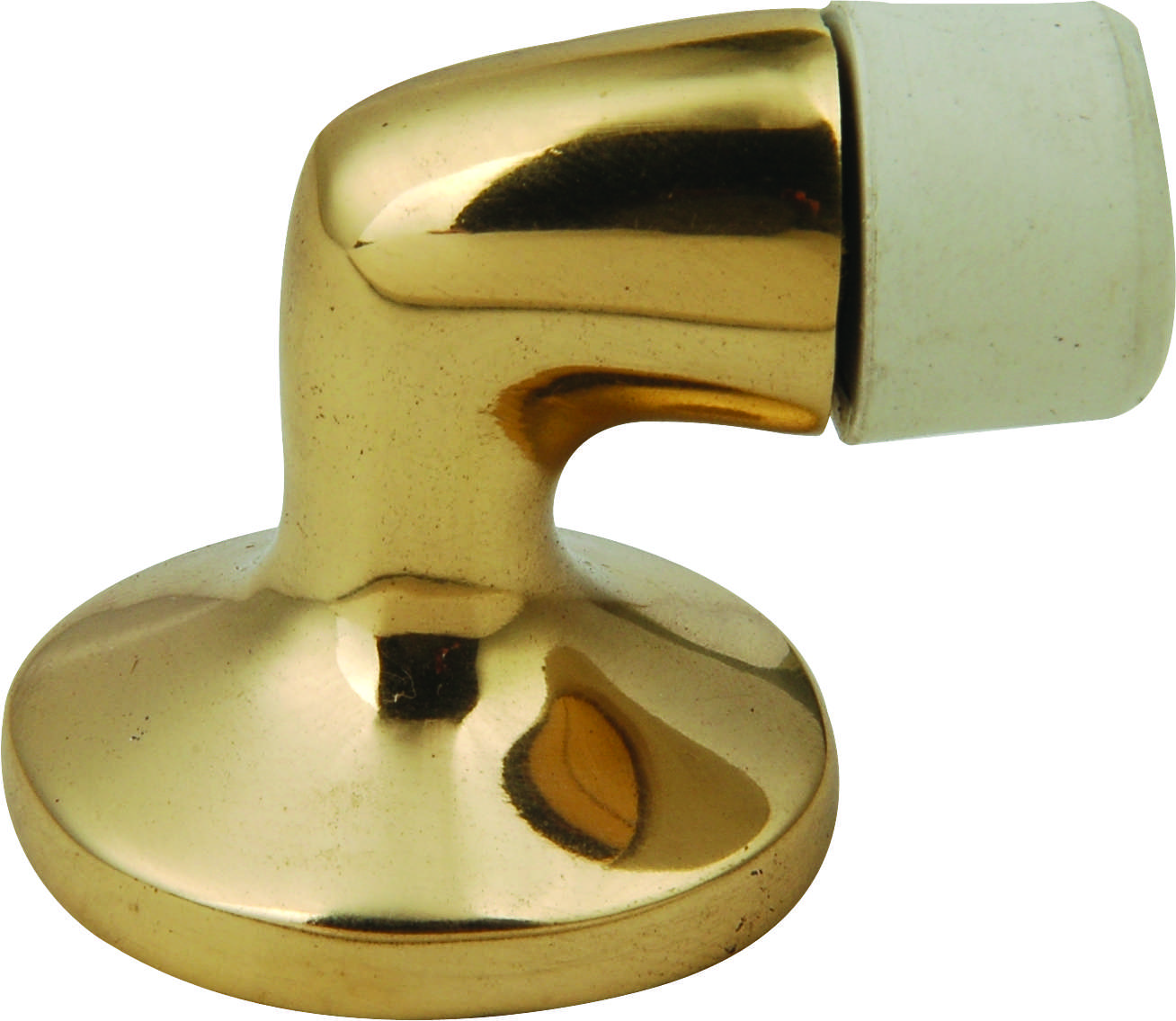
The primary function of a door stop is to prevent damage to walls, furniture, and doors. Without a door stop, frequent door slamming or uncontrolled swinging can cause dents, scratches, or even cracks in walls and furniture. A door stop acts as a protective barrier, absorbing the impact and preventing this kind of damage.
Door stops also contribute to safety, particularly in homes with children. They can prevent doors from closing too quickly or unexpectedly, which could result in injury if someone is caught in the door’s path. Door stops ensure that doors remain in their intended position, reducing the risk of accidents.
In environments with heavy foot traffic, door stops offer convenience by holding doors open when needed. This can be especially useful when carrying heavy items like groceries, laundry, or trays. Door stops allow you to move freely without constantly having to hold the door open.
For homes in colder climates, a door stop equipped with a draft stopper can help improve energy efficiency. It can prevent heat from escaping through gaps around the door, helping to maintain a comfortable indoor temperature and reducing energy costs.
By limiting the movement of doors, door stops prevent them from slamming into walls, furniture, and other objects. This is an affordable and practical way to safeguard your space from unnecessary damage.
Door stops are generally inexpensive and easy to install. Most types do not require complicated setup processes or drilling, making them a simple DIY solution. Whether you choose a wall-mounted, floor-mounted, or wedge door stop, installation is quick and hassle-free.
Limiting a door’s swing also prevents it from slamming or misaligning the hinges, which can cause costly repairs. Door stops help preserve the integrity of the door, reducing the need for repairs or replacements due to wear and tear.
If you have a small room, a door stop is essential to prevent the door from hitting furniture or walls. Door stops take up minimal space and help maintain an organized and functional environment by limiting the door's swing.
Heavy doors or old hinges may make it difficult to control the door’s movement. A door stop can provide additional support, preventing the door from swinging too widely and causing damage or misalignment.
For those who prefer a discreet solution, a door stop can be installed in a way that blends seamlessly into the room. Options like wall-mounted or hinge pin door stops are perfect for those seeking a minimalistic design without compromising on functionality.
Door stops are small but powerful tools that help protect your home or office from unnecessary damage. Whether you want to prevent door slamming, keep doors open, or protect walls and furniture, door stops provide a simple and effective solution. At Ningbo Tongyi Metal Products Co., Ltd,we offer a variety of high-quality door stops. Our durable and functional designs ensure reliable performance, offering long-lasting protection while enhancing the aesthetics of your space.
A: A door stop is a device that prevents a door from moving too far, protecting walls and furniture.
A: A door stop limits the range of motion of the door, preventing slamming and damage to walls or furniture.
A: Door stops come in various types, including floor-mounted, wall-mounted, wedge, and magnetic versions.
A: A door stop helps protect walls, furniture, and doors by controlling door movement, preventing damage.
A: Installation varies by type, but generally involves securing the stop to the floor, wall, or hinge.
A: Yes, some door stops with draft stoppers can help prevent heat or cool air from escaping, improving energy efficiency.