
Views: 0 Author: Site Editor Publish Time: 2025-12-31 Origin: Site


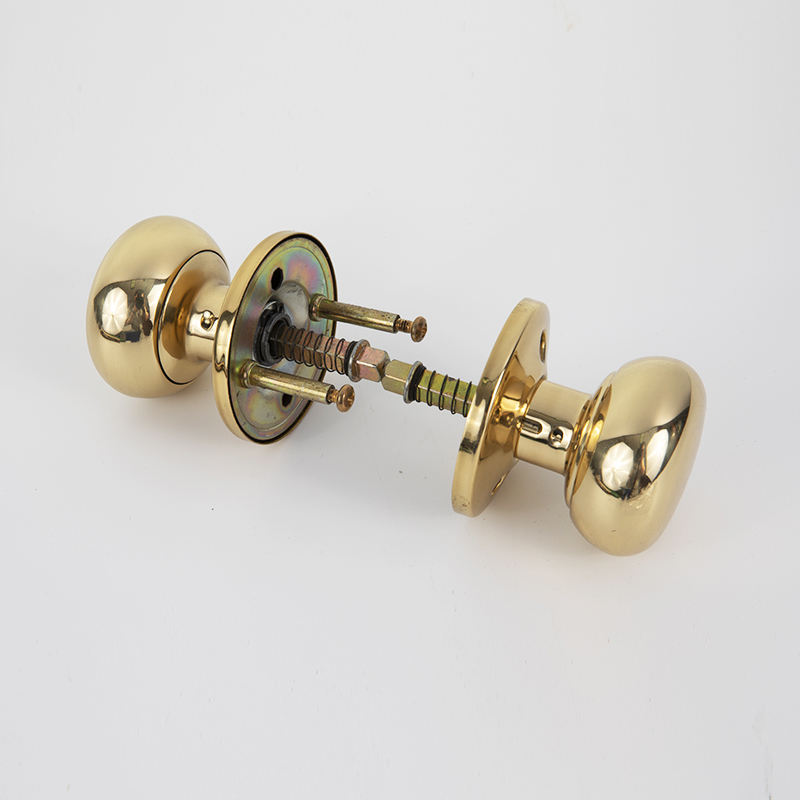
A door lockis one of the most fundamental parts of any building’s security system, offering privacy, protection, and peace of mind. Every time you lock or unlock your door, a complex system of mechanisms works together to ensure your space is secure. However, few people stop to think about the individual components that make up this essential security feature.
In this article, we will explore the key parts of a door lock, explaining their functions and how they work together. Understanding these components is crucial for anyone looking to install, maintain, or troubleshoot their lock system.
The lock cylinder is the central component of many traditional door locks, particularly pin tumbler locks. It contains a core, pins, and springs. When you insert the correct key into the cylinder, the notches on the key push the pins to the correct height, aligning them with the shear line. This alignment allows the cylinder to rotate, which in turn moves the bolt or latch, unlocking the door.
The lock cylinder serves as the heart of the locking mechanism. It ensures the door lock is functional by securing the door when locked and allowing access when unlocked. The cylinder is typically made from durable metals, such as brass or steel, to provide long-lasting strength.
Pins: Inside the cylinder, these pins must align with the notches on the key to allow the cylinder to rotate and unlock the door.
Spring Mechanism: Springs push the pins into place, ensuring proper alignment with the key until it is inserted.
The lock cylinder’s mechanism plays a vital role in keeping your door secure, ensuring the lock is properly engaged when locked, and easily disengaged when the correct key is inserted.
The key is an essential part of the door lock system. It works directly with the lock cylinder to unlock the door. The notches on the key correspond to the pins inside the cylinder. When you insert the correct key, the grooves on the key push the pins to the correct height. This action aligns the pins with the shear line, allowing the cylinder to rotate, which disengages the lock mechanism.
● Teeth or Grooves: The teeth or grooves on the key align with the pins inside the cylinder to ensure the lock works properly.
● Material: Keys are typically made of durable metal, such as brass, to ensure they can withstand wear and tear over time.
The key must be specifically cut to match the exact pin configuration of the lock. Using the wrong key will misalign the pins, preventing the lock from unlocking.
The latch or bolt is the component that physically secures the door. When the cylinder turns, it moves the bolt into a position that either locks into the door frame or into a catch. This physical mechanism is what ensures the door remains locked and prevents unauthorized entry.
There are two types of bolts commonly used in door locks:
Spring-loaded bolts: These automatically engage when the door closes, making it easier to secure the door without turning a key or handle.
Manual bolts: These require you to turn the key or handle to engage or disengage the lock.
Both types of bolts are designed to keep the door securely locked until the correct key or handle action is performed.
● Latch/Bolt: Engages with the door frame or catch to physically keep the door closed.
● Spring-loaded Bolt: Automatically engages when the door closes, eliminating the need to manually lock the door.
● Manual Bolt: Requires turning a key or handle to secure or release the bolt.
The strike plate is a metal plate that is installed on the door frame. It provides a secure place for the bolt or latch to engage when the door is locked. Without a strong strike plate, the door lock mechanism would be less effective at preventing unauthorized access.
The strike plate also reinforces the door frame, helping hold the bolt in place securely. A durable strike plate makes it harder to manipulate the lock mechanism, providing extra protection against forced entry.
Reinforces the Door Frame: The strike plate adds strength to the frame, ensuring that the bolt remains in place.
Ensures the Bolt is Secured: It holds the bolt or latch in place when the door is locked, preventing tampering.
A well-installed strike plate increases the overall security of the door lock, making it much harder for intruders to bypass the lock.
Pin tumbler locks are the most commonly used type of lock found in residential and commercial buildings. Inside the lock cylinder, there are pins of varying lengths. When the correct key is inserted, the notches on the key push the pins to the correct height. This allows the cylinder to rotate and unlock the door.
Pin tumbler locks are reliable, easy to use, and secure. They are commonly found in homes and businesses and provide a good level of security at an affordable cost.
Component | Function |
Pins | Different lengths of pins must align with the key’s notches for the cylinder to rotate. |
Cylinder | Rotates when the pins are aligned, unlocking the door. |
A deadbolt is a more secure type of lock that is commonly used for exterior doors. Unlike spring-loaded bolts, deadbolts need to be manually turned by either a key or thumb turn to engage or disengage. There are single-cylinder deadbolts (operated by a key on one side and a thumb turn on the other side) and double-cylinder deadbolts (which require a key on both sides). Deadbolts are more resistant to forced entry than spring-loaded bolts.
Deadbolts are ideal for exterior doors and provide an additional layer of security, making them a popular choice for high-security applications.
Deadbolt Type | Features |
Single-Cylinder Deadbolt | Operated by a key on the outside, thumb turn on the inside. |
Double-Cylinder Deadbolt | Requires a key on both sides, providing extra security. |
Magnetic locks use an electromagnetic force to secure a door. These locks are typically used in high-security commercial environments. When activated, the magnetic field holds the door shut. To open the door, the field must be deactivated by a release mechanism.
Magnetic locks offer high levels of security and are often paired with controlled access systems, making them ideal for environments requiring restricted entry.
Component | Function |
Magnet | Creates an electromagnetic field to secure the door. |
Release Mechanism | Deactivates the magnetic field to allow the door to open. |
The first step in unlocking a door lock is inserting the key into the lock cylinder. The notches on the key interact with the pins inside the cylinder. The correct alignment of the pins allows the cylinder to rotate, which sets the unlocking process in motion.
Once the key is inserted correctly, turning it rotates the cylinder. This motion moves the bolt or latch, disengaging the lock and allowing the door to open. The correct key ensures the pins align properly, enabling the door to unlock smoothly.
As the cylinder rotates, the bolt or latch retracts into the door, allowing the door to open. The action of retracting the bolt is the final step in the unlocking process. If the door has a deadbolt, the bolt will retract securely, preventing unauthorized entry.
If the lock doesn’t turn or is difficult to operate, it could be caused by dirt, rust, or debris inside the lock mechanism. Lubricating the keyhole with a silicone or graphite spray can often restore smooth operation. If the issue persists, the lock or key may need replacing.
Misalignment between the latch and strike plate can prevent the door from closing properly. Adjusting the strike plate or realigning the door hinges can often fix this issue. If the lock mechanism is misaligned, make sure the bolt fits securely into the strike plate.
If the key doesn’t fit into the lock, it could be due to a worn key or malfunctioning lock mechanism. If the lock mechanism is damaged, it may need replacing. In some cases, getting a new key or filing down the old key may solve the issue.
Understanding the components and mechanisms of a door lock is essential for both security and convenience. Whether using traditional pin tumbler locks or advanced smart locks, knowing how the parts work together can help you troubleshoot issues and maintain security.
At Ningbo Tongyi Metal Products Co., Ltd., we offer a range of high-quality door locks designed for durability and security. Whether you're upgrading or installing new locks, our products ensure reliable performance for residential, commercial, and industrial applications.
A: A door lock typically includes components like the lock cylinder, key, bolt, latch, and strike plate, each playing a role in securing the door.
A: The door lock functions by using the key to align the pins inside the cylinder, turning it to retract the bolt or latch, and securing the door.
A: The lock cylinder is crucial as it holds the pins that align with the key, allowing the door lock to disengage and open when the correct key is used.
A: The strike plate ensures the bolt or latch of the door lock stays securely in place, preventing the door from being opened without the correct key.
A: If your door lock isn’t working, check if the pins in the lock cylinder are misaligned or if the bolt isn’t engaging properly. Lubricating or adjusting parts may help.
A: The key in a door lock aligns with the pins inside the lock cylinder, enabling the cylinder to turn and unlock the door.