
Views: 0 Author: Site Editor Publish Time: 2025-11-21 Origin: Site


In commercial kitchens, hygiene is crucial for preventing foodborne illnesses. Antimicrobial materials play a vital role in maintaining cleanliness in kitchen hardware. In this post, you’ll learn about specific antimicrobial materials and how they work to enhance food safety and reduce contamination risks.
Hygiene is a top priority in commercial kitchens. The risk of foodborne illnesses can be significantly reduced by maintaining a clean environment. Antimicrobial materials are essential in achieving this goal, as they help prevent the growth of harmful bacteria on kitchen surfaces and equipment.
Antimicrobial materials are specially designed substances that inhibit the growth of microorganisms, including bacteria, viruses, and fungi. These materials are integrated into various types of kitchen hardware, such as countertops, sinks, and utensils. By actively combating germs, they contribute to a safer cooking environment.
● Key Benefits:
○ Reduced Contamination: Antimicrobial surfaces help decrease the likelihood of cross-contamination during food preparation.
○ Enhanced Food Safety: These materials can lower the risk of foodborne illnesses, protecting both staff and customers.
○ Long-lasting Protection: Many antimicrobial materials maintain their effectiveness over time, even after repeated cleaning.
Incorporating antimicrobial materials into commercial kitchen hardware is crucial for several reasons. First, they help meet health regulations and standards, ensuring compliance with local food safety laws. Second, they reduce the need for harsh chemical cleaners, promoting a more sustainable approach to hygiene. Finally, the use of these materials can enhance the reputation of a business, as customers are increasingly aware of food safety practices.
Antimicrobial Material | Common Uses | Mechanism of Action |
Copper | Faucets, knobs | Releases copper ions that kill bacteria |
Antimicrobial Stainless Steel | Countertops, sinks | Incorporates silver or copper for protection |
Zinc Alloys | Handles, fixtures | Zinc and silver ions disrupt bacterial cells |
Rare Earth Materials | High-temperature equipment | Generates reactive oxygen species (ROS) |
By embracing these innovative materials, commercial kitchens can significantly enhance their hygiene practices. This not only protects the health of consumers but also contributes to the overall efficiency of kitchen operations. As we explore specific antimicrobial materials, we will see how they work to create a safer culinary environment.
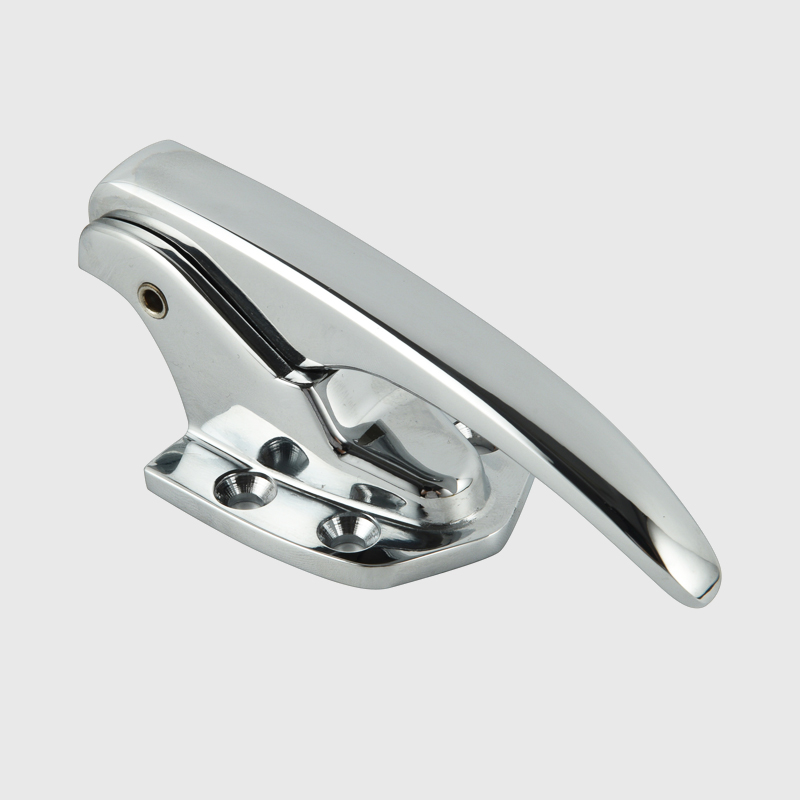
In commercial kitchens, hygiene is not just a recommendation; it's a necessity. According to the Centers for Disease Control and Prevention (CDC), approximately 48 million people in the U.S. get sick from foodborne illnesses each year. This staggering statistic highlights the importance of maintaining strict hygiene standards.
Poor hygiene can severely impact customer health. When foodborne illnesses occur, they can lead to serious health complications, hospitalizations, and even fatalities. Beyond health concerns, a restaurant’s reputation can suffer immensely. Customers are more likely to avoid establishments known for cleanliness issues. Thus, ensuring a hygienic environment is crucial for both safety and business success.
Kitchens are often breeding grounds for harmful bacteria and viruses. Some of the most common contaminants include:
● E. coli: Often found in undercooked meat and contaminated produce, it can cause severe gastrointestinal issues.
● Salmonella: Typically associated with poultry and eggs, this bacterium can lead to serious infections.
● Listeria: Found in deli meats and unpasteurized dairy products, it poses a significant risk, especially for pregnant women.
These pathogens can originate from various sources within the kitchen. For instance, food preparation surfaces, utensils, and even kitchen hardware can harbor these dangerous microorganisms.
Contaminant | Common Sources | Health Risks |
E. coli | Raw meat, contaminated water | Severe diarrhea, kidney failure |
Salmonella | Poultry, eggs | Fever, abdominal cramps, vomiting |
Listeria | Deli meats, unpasteurized cheese | Flu-like symptoms, miscarriage risk |
Understanding these contaminants is essential for implementing effective hygiene practices. By using antimicrobial kitchen hardware, we can significantly reduce the presence of these harmful microorganisms. This proactive approach not only protects customers but also enhances the overall safety of the kitchen environment.
Antimicrobial materials are specially designed substances that inhibit the growth of microorganisms, including bacteria, viruses, and fungi. These materials possess unique characteristics, such as the ability to actively kill or suppress microbial growth upon contact. Unlike traditional materials, which may only provide a passive barrier, antimicrobial materials offer a proactive approach to hygiene.
The key difference lies in their composition. While standard materials can harbor bacteria, antimicrobial options are engineered to combat microbial threats. This makes them essential for environments like commercial kitchens, where cleanliness is paramount.
Copper and its alloys are well-known for their natural antibacterial properties. They effectively kill bacteria through the release of copper ions, which disrupt bacterial cell membranes. This mechanism is particularly effective against a wide range of pathogens.
● Core Advantages:
○ Natural antibacterial properties without the need for chemical additives.
○ Rapid action against harmful microorganisms.
Applications in Kitchen Hardware:
● Faucets and Knobs: Often used in areas where frequent hand contact occurs.
● Cutting Boards: Ideal for food preparation surfaces due to their self-sanitizing nature.
Antimicrobial stainless steel combines the durability of stainless steel with the antimicrobial properties of metals like copper and silver. This material is engineered with surface coatings or alloying elements that enhance its ability to resist bacterial growth.
● Core Advantages:
○ High corrosion resistance, ensuring longevity in demanding kitchen environments.
○ Compliance with food contact standards, making it safe for culinary applications.
Common Uses in Commercial Kitchens:
● Countertops and Sinks: Frequently used for their ease of cleaning and hygienic properties.
Material | Properties | Applications |
Copper | Natural antibacterial | Faucets, cutting boards |
Antimicrobial Stainless Steel | Corrosion-resistant, safe for food | Countertops, sinks |
Zinc alloys are another effective option for kitchen hardware. These materials often incorporate antimicrobial agents like silver, which work together to disrupt bacterial activity. The combination of zinc and silver ions effectively inhibits the growth of harmful microorganisms.
● Core Advantages:
○ Cost-effective and safe for human contact.
○ Suitable for high-volume production, making them ideal for commercial use.
Applications in Kitchen Hardware:
● Knobs and Handles: Commonly used in various kitchen fixtures due to their durability and antimicrobial properties.
Rare earth elements, such as neodymium and cerium, are gaining attention for their antimicrobial properties. These materials interact with bacteria at a cellular level, blocking cell division and generating reactive oxygen species (ROS) that can kill pathogens.
● Core Advantages:
○ Stability in high-temperature and humid environments, making them perfect for kitchen use.
○ Non-toxic and environmentally friendly, aligning with sustainable practices.
Use Cases in High-Temperature Kitchen Equipment:
● Ovens and Stoves: Ideal for components that require durability and hygiene under extreme conditions.
By utilizing these advanced antimicrobial materials, commercial kitchens can significantly enhance their hygiene standards. This proactive approach not only protects food safety but also contributes to the overall efficiency and reputation of the establishment.
Antimicrobial materials utilize various mechanisms to kill or inhibit the growth of bacteria. Each type has a unique way of functioning, making them suitable for different applications in commercial kitchen hardware.
1. Copper and Copper Alloys: These materials are renowned for their ability to release copper ions when bacteria come into contact. The ions penetrate the microbial cell walls, leading to cell death. This process is effective against a broad spectrum of pathogens, including E. coli and Salmonella.
2. Antimicrobial Stainless Steel: This material often incorporates elements like silver or copper into its composition. The added metals create a surface that actively disrupts bacterial growth. The combination of these metals enhances the material's effectiveness, providing a robust barrier against contamination.
3. Zinc Alloys with Antimicrobial Agents: Zinc alloys work by releasing zinc and silver ions, which interfere with the bacteria's metabolic processes. This disruption makes it difficult for bacteria to grow and reproduce, significantly reducing their presence on surfaces.
4. Rare Earth Antimicrobial Materials: Rare earth elements interact with bacteria at a cellular level. They block cell division and generate reactive oxygen species (ROS), which can damage bacterial cells. This mechanism is particularly effective in high-temperature environments, such as ovens and stoves.
Material | Mechanism of Action | Effectiveness |
Copper and Copper Alloys | Releases copper ions to kill bacteria | Broad-spectrum effectiveness |
Antimicrobial Stainless Steel | Incorporates silver/copper to disrupt growth | High resistance to contamination |
Zinc Alloys with Antimicrobial Agents | Releases zinc/silver ions to inhibit metabolism | Effective in high-volume production |
Rare Earth Antimicrobial Materials | Blocks cell division and generates ROS | Effective in extreme conditions |
The durability of antimicrobial properties is crucial in commercial kitchen settings. Over time, the effectiveness of these materials can vary based on several factors.
● Durability Over Time: Many antimicrobial materials maintain their properties for years, but their longevity can be influenced by usage patterns. For instance, frequent cleaning and exposure to harsh chemicals may wear down the antimicrobial surface, reducing its effectiveness.
● Factors Affecting Longevity:
○ Wear and Tear: Regular use can lead to scratches and abrasions, compromising the antimicrobial layer.
○ Environmental Conditions: High humidity and temperature fluctuations can also impact the performance of antimicrobial materials. For example, materials used in ovens may face more significant challenges due to heat exposure.
Understanding these factors helps in selecting the right materials for specific applications in commercial kitchens. It ensures that the antimicrobial properties remain effective over time, contributing to a safer and cleaner environment.
By considering both the mechanisms of action and the longevity of antimicrobial materials, kitchen operators can make informed decisions about their hardware choices. This proactive approach not only enhances hygiene but also supports the overall efficiency of kitchen operations.
One of the primary benefits of antimicrobial kitchen hardware is its significant contribution to food safety. By utilizing materials that actively inhibit the growth of harmful microorganisms, the risk of contamination is greatly reduced. Antimicrobial surfaces can effectively combat pathogens like E. coli and Staphylococcus aureus, which are notorious for causing foodborne illnesses. Research shows that these materials can achieve kill rates exceeding 99%, making them a vital component in any commercial kitchen.
● Mechanism of Action: Antimicrobial materials release ions or compounds that disrupt bacterial cell walls, leading to cell death. This process is particularly effective in high-contact areas such as countertops, cutting boards, and utensils.
Pathogen | Kill Rate on Antimicrobial Surfaces |
E. coli | > 99% |
Staphylococcus aureus | > 99% |
Salmonella | > 99% |
Investing in antimicrobial kitchen hardware can lead to substantial long-term savings. While the initial cost may be higher than traditional materials, the reduced need for frequent cleaning and maintenance quickly offsets this expense. Antimicrobial surfaces require less intensive cleaning, allowing staff to focus on food preparation rather than constant sanitation.
● Reduced Chemical Use: With antimicrobial properties actively working to kill bacteria, there’s less reliance on chemical disinfectants. This not only cuts costs but also minimizes the environmental impact associated with chemical cleaners.
● Long-Term Savings: The durability of antimicrobial materials means they do not need to be replaced as often as standard materials, contributing to further savings over time.
In the realm of commercial kitchens, compliance with health regulations is paramount. Antimicrobial materials play a crucial role in meeting various health standards set by regulatory bodies. For instance, the FDA and USDA have guidelines that emphasize the importance of maintaining sanitary conditions to prevent foodborne illnesses.
● Health Standards Overview: Regulations often specify the use of materials that are easy to clean and resistant to microbial growth. Antimicrobial kitchen hardware aligns perfectly with these requirements, ensuring that kitchens can pass inspections with ease.
● Meeting Compliance: By incorporating antimicrobial materials, commercial kitchens not only enhance food safety but also demonstrate a commitment to maintaining high hygiene standards. This proactive approach can lead to improved customer trust and satisfaction.
Regulatory Body | Key Standards | How Antimicrobial Materials Help |
FDA | Food contact surface regulations | Reduces microbial contamination |
USDA | Sanitation standards for food prep | Supports compliance through hygiene |
Incorporating antimicrobial kitchen hardware is more than just a trend; it’s a strategic move towards safer food handling, cost savings, and regulatory compliance. By understanding these benefits, kitchen operators can make informed decisions that enhance their operations and promote a healthier environment.
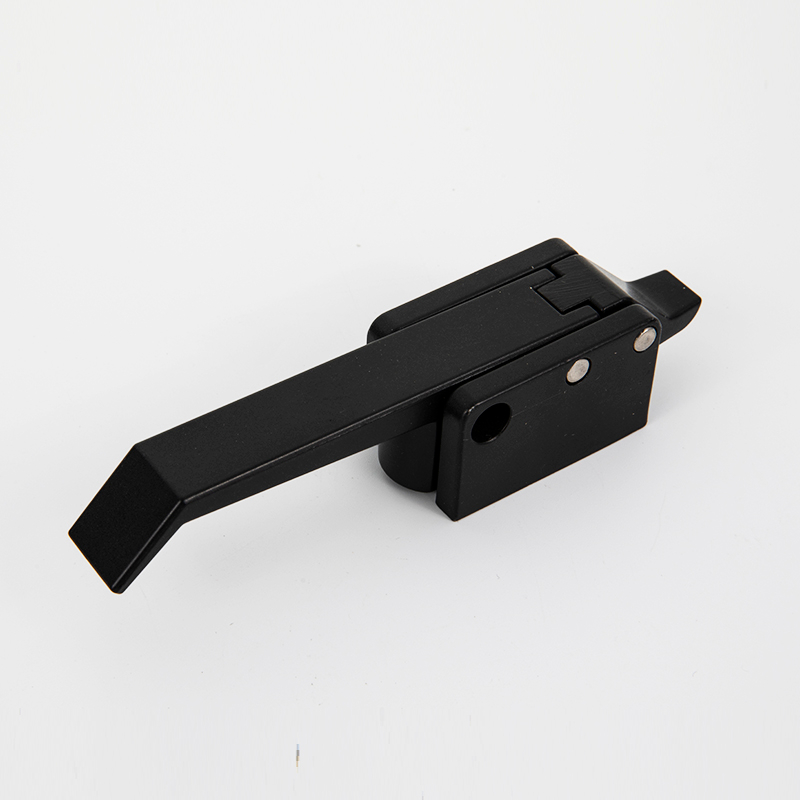
When selecting antimicrobial kitchen hardware, several key factors should guide your decision-making process. First and foremost, the material properties are crucial. Look for materials that offer corrosion resistance, as kitchen environments often involve exposure to moisture and various cleaning agents. Corrosion can compromise the integrity of the hardware, making it less effective over time. Additionally, ease of cleaning is paramount; surfaces should be smooth and non-porous to prevent bacterial buildup.
● Durability: Choose materials that withstand heavy use without degrading. This ensures longevity and consistent performance.
● Aesthetic Appeal: While functionality is essential, the appearance of the hardware also matters. Select designs that complement your kitchen’s overall aesthetic.
Material Properties | Importance |
Corrosion Resistance | Prevents degradation in moist environments |
Ease of Cleaning | Reduces bacterial buildup |
Durability | Ensures long-term use |
Another critical aspect is certification and compliance. Ensure the materials meet relevant health standards, such as those set by the FDA or NSF International. These certifications indicate that the products have been tested for safety and effectiveness in reducing microbial contamination.
For commercial kitchen operators looking to integrate antimicrobial materials into their setups, here are some practical tips:
● Assessment of Current Hardware: Begin by evaluating your existing kitchen hardware. Identify high-contact areas where antimicrobial materials could enhance safety, such as cutting boards, countertops, and utensils.
● Integration Tips: When replacing or upgrading hardware, consider transitioning to antimicrobial options gradually. This allows staff to adapt to new materials without overwhelming changes.
● Suggested Products and Suppliers: There are numerous suppliers specializing in antimicrobial kitchen hardware. Here are a few recommended options:
Supplier | Product Offerings |
Sanitization Solutions | Antimicrobial cutting boards, utensils |
Kitchen Safe | Antimicrobial sinks, countertops |
ProClean Materials | Antimicrobial storage containers |
By considering these factors and recommendations, commercial kitchen operators can make informed choices that enhance food safety and operational efficiency. Integrating antimicrobial materials not only protects customers but also promotes a healthier work environment for staff.
Antimicrobial materials play a vital role in commercial kitchen hardware. They significantly enhance food safety by reducing contamination risks. Investing in these solutions leads to better hygiene and a healthier environment for both staff and customers. By choosing the right antimicrobial products, kitchens can maintain high standards of cleanliness and compliance with health regulations. Overall, the benefits of antimicrobial materials make them a smart choice for any commercial kitchen.
A: Effective materials include stainless steel, copper, and specific plastics infused with antimicrobial agents that inhibit bacterial growth.
A: Regular cleaning with mild detergents is essential. Avoid harsh chemicals that can damage the antimicrobial properties.
A: Generally, approved antimicrobial materials are safe. However, ensure they comply with health standards to mitigate risks.
A: Consider factors like material properties, durability, and compliance with health regulations when selecting hardware.