
Views: 0 Author: Site Editor Publish Time: 2025-11-14 Origin: Site


Have you ever wondered why some door hardware feels more satisfying to use? The psychology of touch plays a crucial role in our perceptions of quality. In this article, we will explore how architectural hardware impacts consumer choices and why high-quality door hardware stands out. You'll learn about the materials, design, and tactile experiences that shape our feelings toward these essential elements.
Architectural hardware refers to the various components that enhance both the functionality and aesthetics of buildings. This includes items like door handles, locks, hinges, and other fixtures that we often take for granted. They play a crucial role in design, impacting everything from safety to ease of use.
Quality architectural hardware not only serves a practical purpose but also contributes to the overall appeal of a space. The materials and craftsmanship involved can significantly influence how we perceive a building's quality. For instance, a solid brass doorknob often feels more luxurious than a plastic one, creating an immediate impression of quality.
Touch is a powerful sense that shapes our experiences and perceptions. When we interact with architectural hardware, the tactile feedback we receive can greatly affect our feelings about a product. A smooth, well-crafted handle provides a sense of reliability, while a rough or flimsy one can lead to doubt about its durability.
Research shows that tactile experiences can trigger emotional responses, influencing our decisions as consumers. For example, when we grasp a heavy, solid door handle, we often associate that weight with sturdiness and security. In contrast, lightweight materials may leave us feeling uncertain about their quality and longevity.
This article dives deep into the psychological effects of touch on consumer choices, particularly in the realm of architectural hardware. We aim to uncover why high-quality door hardware feels different and how that difference impacts our decisions.
By exploring the interplay between touch and perception, we will highlight how quality materials and thoughtful designs create memorable tactile experiences. You’ll discover how these elements not only enhance functionality but also foster emotional connections, making us more likely to choose certain products over others.
● The Role of Materials: Different materials evoke different tactile experiences and perceptions of quality.
● Design Elements: Ergonomic and aesthetic factors that influence our interactions with hardware.
● Consumer Behavior: How touch affects purchasing decisions and brand loyalty.
Stay tuned as we unravel the fascinating world of architectural hardware and its psychological implications, revealing how something as simple as touch can have a profound impact on our choices.
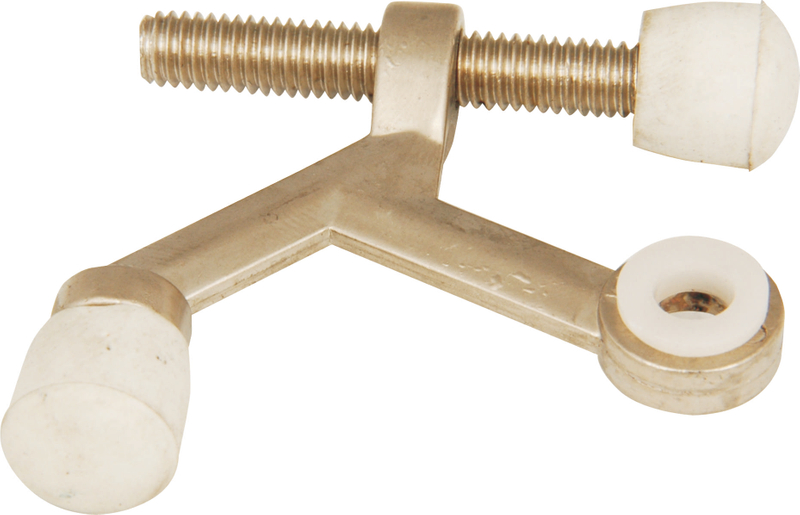
Touch is one of the most powerful senses we possess. It significantly influences our emotions and perceptions, especially when it comes to consumer behavior. When we interact with products, the tactile feedback we receive can shape our opinions and feelings about their quality.
The psychology of touch refers to how our sense of touch affects our emotional responses and decision-making processes. It plays a crucial role in how we evaluate products, including architectural hardware. Research indicates that tactile experiences can evoke strong emotional reactions, leading to either positive or negative perceptions of a product.
Aspect | Description |
Emotional Response | Touch can trigger feelings of comfort, trust, or doubt based on the quality of the interaction. |
Decision-Making | A positive tactile experience can lead to increased likelihood of purchase. |
Product Evaluation | Consumers often assess quality through touch before making a decision. |
For instance, when we grasp a well-crafted doorknob, the smoothness and weight can create feelings of comfort and trust. Conversely, a poorly made handle might instill doubt, making us question its reliability. Understanding this connection helps us appreciate why touch is so essential in consumer choices.
Statistics reveal fascinating insights about the impact of touch on purchasing behavior. Studies show that products providing a satisfying tactile experience are more likely to be chosen by consumers. For example, around 70% of shoppers report that the feel of a product influences their decision to buy.
Statistic | Finding |
Impact of Touch | 70% of consumers say touch influences their purchase decisions. |
Willingness to Pay More | 60% of shoppers are willing to pay a premium for products that feel high-quality. |
This connection between touch and perceived value is particularly evident in architectural hardware. When consumers perceive a product as high-quality based on its tactile attributes, they are often willing to pay a premium for it. This willingness stems from the belief that quality materials and craftsmanship translate to durability and reliability.
The materials used in architectural hardware can significantly affect both the tactile experience and the psychological implications of touch. Here’s a comparison of common materials:
Material | Density (g/cm³) | Characteristics | Tactile Experience |
Brass | 8.9 | Heavy, durable, luxurious feel | Smooth, substantial, evokes trust |
Zinc Alloy | 6.5 | Lightweight, corrosion-resistant, but feels cheaper | Lighter, less substantial, can feel flimsy |
Aluminum | 2.7 | Very lightweight, often perceived as less valuable | Very light, may lack a premium feel |
High-density materials like brass not only feel substantial but also convey a sense of durability. In contrast, lower-density options like zinc alloy may feel flimsy, impacting consumer perceptions negatively.
When it comes to high-quality hardware, the tactile sensations can evoke feelings of safety and reliability. For instance, a satin chrome finish offers a smooth and cool feel, while a polished finish provides a more reflective surface that feels sleek and modern.
Finish Type | Description | Tactile Sensation |
Satin Chrome | Smooth, matte finish | Soft, cool to the touch |
Polished Chrome | High shine, reflective surface | Sleek, smooth, luxurious feel |
Brushed Nickel | Textured, soft finish | Warm, inviting, and comfortable |
These surface treatments enhance the overall tactile experience, influencing how we perceive and interact with the hardware. The right combination of material and finish can transform a simple doorknob into a statement piece that feels as good as it looks.
By understanding the importance of touch in architectural hardware, we can better appreciate how these elements influence our choices and experiences. The next time you reach for a door handle, consider how much the experience of touch shapes your perception of quality.
The choice of materials in architectural hardware plays a crucial role in how we perceive quality. Different materials not only affect the durability of the hardware but also influence our tactile experience.
The psychological perception of weight is significant when it comes to hardware. Heavier materials often convey a sense of strength and reliability, while lightweight options may feel flimsy and less trustworthy. For example, solid brass, known for its density and durability, provides a reassuring heft that suggests longevity. In contrast, flimsy aluminum lacks this weight, leading to doubts about its quality.
Material | Density (g/cm³) | Psychological Perception |
Solid Brass | 8.9 | Conveys strength, reliability, and luxury |
Aluminum | 2.7 | Feels lightweight, may suggest fragility |
This distinction in material composition significantly impacts consumer choices. When selecting door hardware, many people instinctively reach for the heavier options, associating weight with quality.
The surface finish of door hardware is equally important. Different types of surface treatments can enhance the aesthetic appeal and tactile experience of the hardware.
Common finishes include satin chrome and polished options. Satin chrome offers a smooth, matte surface that feels cool to the touch, while polished finishes provide a shiny, reflective surface that feels sleek and modern.
Surface Finish | Characteristics | Tactile Feedback |
Satin Chrome | Matte, smooth | Soft, cool sensation |
Polished Chrome | High shine, reflective | Sleek, luxurious feel |
Brushed Nickel | Textured, soft | Warm, inviting, comfortable |
Smooth surfaces play a vital role in enhancing the tactile experience. Non-rough edges prevent negative perceptions and discomfort during use. A well-finished handle or knob feels pleasant in the hand, encouraging users to engage with it confidently. Rough edges, on the other hand, can lead to irritation and a negative association with the product.
Ergonomic design is pivotal in enhancing user experience. Well-designed handles and locks fit the natural contours of the hand, reducing effort and discomfort during use. For instance, ergonomic door handles are shaped to provide a comfortable grip, making them easier to operate, especially for individuals with limited hand strength.
Ergonomic Feature | Benefit | Example |
Contoured Shapes | Fits natural hand shape | Lever handles that require less force |
Grip Texture | Enhances control and comfort | Textured grips for better handling |
Size Variability | Accommodates different hand sizes | Adjustable handles for various users |
Tactile feedback is essential for user satisfaction. Quality hardware provides clear feedback during use, such as the distinct sensation of a lock clicking into place. This clear tactile feedback assures users that the hardware is functioning correctly, enhancing their overall experience.
Feedback Type | Description | Importance |
Lock Engagement | Sensation of a lock securely engaging | Confirms security and proper function |
Handle Operation | Feel of smooth operation | Enhances user confidence and satisfaction |
By focusing on these key elements—material composition, surface finishes, ergonomic design, and feedback mechanisms—manufacturers can create door hardware that not only looks appealing but also feels exceptional in use. This attention to detail ensures that consumers have a positive interaction with their architectural hardware.
When it comes to architectural hardware, understanding quality is essential for making informed purchasing decisions. Quality can significantly influence not only the functionality of the hardware but also the overall user experience. Consumers often wonder how to evaluate the quality of door hardware effectively. One way to do this is by looking for industry standards and certifications that indicate a product's reliability and durability.
Organizations like the Builders Hardware Manufacturers Association (BHMA) play a critical role in setting standards for quality in architectural hardware. BHMA outlines various performance criteria that products must meet to receive certification. These standards cover aspects such as durability, finish quality, and operational performance.
Certification | Description | Importance |
BHMA Grade 1 | Highest level of security and durability | Ideal for commercial applications |
BHMA Grade 2 | Suitable for heavy residential use | Balances cost and performance |
BHMA Grade 3 | Light-duty applications | Economical option for low-traffic areas |
When evaluating quality, consumers should look for these certifications on product packaging or specifications. Additionally, understanding the specific requirements for each grade can help buyers choose the right hardware for their needs.
Insights from BHMA studies reveal an interesting correlation between tactile experiences and product quality perceptions. Research indicates that users often associate high-quality tactile feedback with superior performance. For instance, when a door handle feels solid and operates smoothly, it reinforces the perception of a well-made product. This connection between touch and quality is crucial, as it influences purchasing decisions and customer satisfaction.
User testimonials can provide valuable insights into the quality of door hardware. Many consumers share their experiences online, highlighting aspects that matter most to them. Reviews often focus on the tactile experiences associated with different products, which can be incredibly telling.
Customer reviews serve as a powerful tool for assessing quality. When potential buyers read about others’ experiences, they gain a sense of what to expect. Touch experiences frequently come up in these reviews, with users discussing how a handle feels in their hand or how smoothly a lock engages. These insights can guide new customers in their decision-making process.
Review Aspect | Common Themes | Impact on Purchase Decisions |
Tactile Feedback | Smooth operation, solid feel | Higher likelihood of purchase |
First Impressions | Initial touch experience | Influences long-term perceptions |
Overall Satisfaction | Comfort and usability | Encourages repeat purchases |
The initial tactile experience can shape long-term perceptions of a product. If a consumer encounters a door handle that feels cheap or uncomfortable, they may develop a negative view of the entire brand. Conversely, a positive first impression can lead to brand loyalty and recommendations. Understanding this dynamic is essential for manufacturers aiming to create quality products that resonate with consumers.
In summary, evaluating quality in architectural hardware involves understanding industry standards, considering user experiences, and paying attention to customer reviews. These elements together provide a comprehensive view of what makes door hardware feel different and why quality matters.
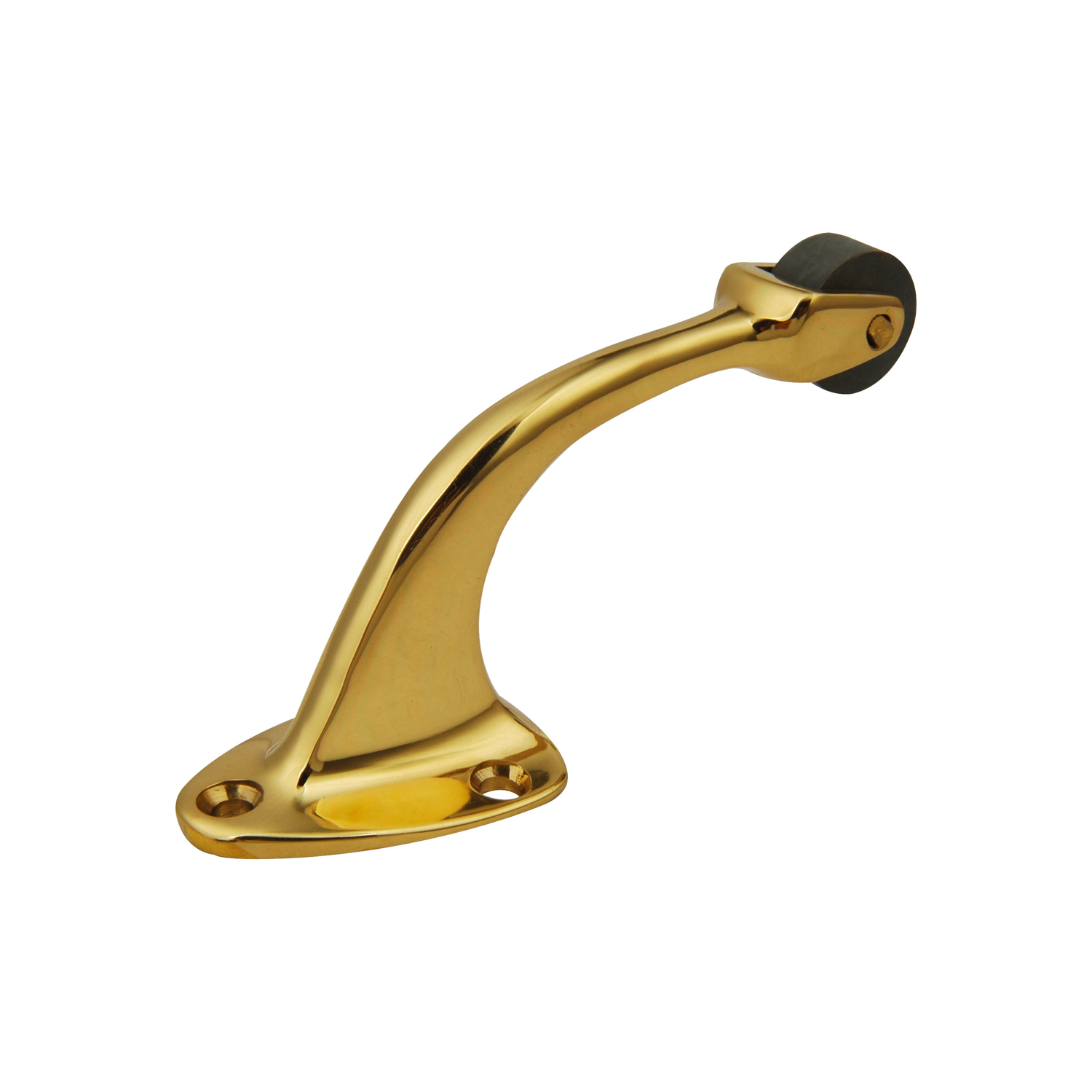
In the realm of architectural hardware, the tactile experience significantly influences brand perception. Quality touch experiences build trust among consumers. When a product feels substantial and operates smoothly, it communicates reliability. This trust is essential for fostering brand loyalty. Over time, customers who consistently encounter high-quality hardware are likely to develop a preference for that brand.
The relationship between touch and brand loyalty is profound. Brands known for their superior quality hardware often enjoy a loyal customer base. For example, companies like Schlage and Kwikset have established themselves as leaders in the industry due to their commitment to quality. Their products not only perform well but also feel good in the hand, reinforcing positive brand associations.
Brand | Known For | Impact on Brand Loyalty |
Schlage | High-security locks | Strong reputation for reliability |
Kwikset | User-friendly designs | Positive reviews enhance customer trust |
Baldwin | Elegant finishes | Appeals to luxury market, fostering loyalty |
These brands have successfully aligned their quality touch experiences with their overall brand image, creating a strong emotional connection with consumers.
Quality door hardware does more than just function; it creates a sense of home and security. When individuals interact with high-quality products, there’s often an emotional response. This connection can be powerful, as it ties the physical experience of touch to feelings of safety and comfort.
Touch plays a crucial role in forging emotional bonds with products. For many, the act of opening a door or locking it behind them is tied to personal experiences—entering a home after a long day or securing loved ones inside. This tactile interaction can evoke memories and feelings of safety.
Emotional Aspect | Description | Example |
Sense of Security | Feelings of safety when using quality locks | High-quality locks reinforce peace of mind |
Comfort | Familiarity and warmth in home environments | Smooth handles create inviting atmospheres |
High-quality locks, in particular, enhance feelings of safety. The tactile feedback of a sturdy lock engaging provides reassurance. Consumers are more likely to feel secure when they can physically sense the quality of their locks. This reinforces their trust in the product, knowing it will protect their home and loved ones effectively.
In essence, the impact of touch on brand perception is significant. Quality hardware not only enhances brand image but also fosters emotional connections that can lead to lasting customer loyalty. These elements combined create a powerful narrative around architectural hardware, highlighting the importance of tactile experiences in shaping perceptions and feelings.
Touch plays a crucial role in shaping perceptions of architectural hardware quality. It influences how consumers view both aesthetics and functionality. Investing in high-quality door hardware enhances user experience and reinforces trust in a brand.
Explore various options for quality architectural hardware that can elevate your space. We invite you to share your personal experiences with door hardware and how touch has impacted your choices.