
Views: 0 Author: Site Editor Publish Time: 2025-11-16 Origin: Site


Have you ever noticed how a door handle can change the feel of a room? Architectural hardware plays a crucial role in design, often overlooked yet vital.
In this article, we will explore what architectural hardware is and why it matters. You’ll learn how it impacts both functionality and aesthetics in various spaces.
Architectural hardware is an essential component in the design and functionality of any space. It encompasses a variety of items, each serving unique purposes while enhancing the overall aesthetic. Let’s dive into the different types of architectural hardware, the materials used, and their roles in design.
Architectural hardware can be categorized into three main types:
● Door Hardware: This includes handles, locks, and hinges. These elements not only provide security but also contribute significantly to the style of the door. For instance, a sleek modern handle can elevate a minimalist door design, while ornate handles can enhance a traditional aesthetic.
● Window Hardware: This category features locks and latches that ensure safety and functionality. The right window hardware can also add a decorative touch, complementing the overall design of the home.
● Specialty Hardware: This encompasses bathroom fixtures, cabinet hardware, and other unique fittings. Specialty hardware allows for personalized touches in spaces like kitchens and bathrooms, where functionality meets style.
Type | Examples |
Door Hardware | Handles, locks, hinges |
Window Hardware | Locks, latches |
Specialty Hardware | Bathroom fixtures, cabinet knobs |
The materials used in architectural hardware play a crucial role in both durability and aesthetics. Common materials include:
● Brass: Known for its classic look, brass is often used in traditional designs. It develops a patina over time, adding character.
● Stainless Steel: This material is favored for its modern appeal and resistance to corrosion. It’s ideal for contemporary spaces that require durability.
● Zinc Alloy: Often used for its affordability, zinc alloy can mimic the appearance of more expensive metals. It’s versatile and widely used in various hardware applications.
● Aluminum: Lightweight and resistant to rust, aluminum is commonly found in modern designs. It can be finished in various colors, allowing for customization.
Architectural hardware is not just functional; it also plays a significant role in the overall design of a space.
● Functional Aspects: Security and usability are paramount. Hardware must provide reliable performance, ensuring doors and windows operate smoothly while keeping spaces safe. For example, a high-quality lock can enhance security without sacrificing style.
● Aesthetic Aspects: Style, finish, and color are critical in creating a cohesive look. The right hardware can tie together different elements of a room, making it feel complete. A polished chrome handle can add a touch of elegance to a contemporary kitchen, while antique finishes can evoke a sense of nostalgia.
Different design styles can benefit from specific types of architectural hardware. Here are a few examples:
● Modern: Minimalist designs often feature sleek, simple hardware. Stainless steel and aluminum are popular choices, enhancing clean lines and open spaces.
● Traditional: Classic designs favor ornate brass or bronze hardware. These materials add warmth and richness, complementing detailed woodwork and vintage furnishings.
● Industrial: This style embraces raw materials, often using hardware that showcases functionality. Exposed bolts and iron fittings can enhance the rugged appeal of industrial spaces.
● Minimalist: In minimalist design, less is more. Simple, understated hardware in neutral colors allows the overall design to shine without distraction.
Incorporating architectural hardware thoughtfully can elevate a space, making it both functional and visually appealing. By understanding the types, materials, and roles of hardware, we can make informed choices that enhance our environments.
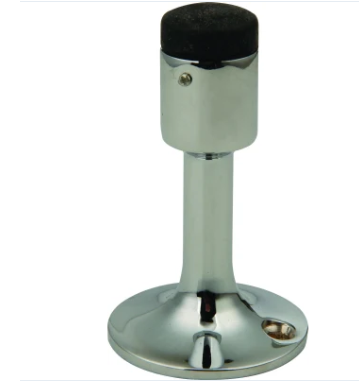
Architectural hardware is more than just functional; it plays a crucial role in shaping the aesthetic appeal of a space. From door handles to cabinet knobs, each piece contributes to the overall visual narrative. Let’s explore how hardware influences design, creates cohesion, and impacts first impressions.
Every element in a room tells a story, and architectural hardware is no exception. The choice of hardware can enhance or detract from the intended design theme. For example, sleek stainless steel handles can complement a modern, minimalist kitchen, while ornate bronze fixtures may elevate a vintage-style bathroom.
Consider a contemporary office space where glass doors meet matte black hardware. This combination not only serves a functional purpose but also reinforces the sleek, professional atmosphere. In contrast, a rustic cabin might feature wrought iron hardware, which ties together natural wood finishes and earthy tones, creating a cohesive look.
Design Theme | Hardware Choice | Example Space |
Modern | Stainless steel handles | Minimalist kitchen |
Vintage | Ornate bronze fixtures | Classic bathroom |
Rustic | Wrought iron hardware | Cozy cabin |
Industrial | Raw metal finishes | Urban loft |
Design cohesion refers to the harmonious integration of various elements within a space. It’s important because it creates a unified look, making the environment feel intentional and well-thought-out. Architectural hardware acts as a unifying element, tying together different design aspects.
When hardware matches the finishes and styles of other fixtures, it enhances the overall aesthetic. For instance, if you have polished chrome faucets, using similar finishes on cabinet handles creates a pleasing visual flow. This attention to detail ensures that no single element feels out of place.
Different surface treatments can significantly enhance the aesthetic appeal of hardware.
● Chrome Plating: This finish offers a shiny, reflective surface that adds a modern touch. It works well in contemporary settings, enhancing light and space.
● Satin Finishes: These provide a softer, understated look. Satin finishes can be more forgiving of fingerprints and smudges, making them practical for high-traffic areas.
The choice of surface treatment can influence not only the appearance but also the tactile experience of the hardware.
Architectural hardware has a profound effect on first impressions. When entering a space, people often notice the details, including the quality of the hardware. High-quality hardware can convey a sense of luxury and attention to detail, while low-quality options may suggest neglect or lack of care.
Consider how a visitor feels upon entering a hotel lobby. Polished brass handles and elegant door hardware create an immediate sense of sophistication. In contrast, worn-out plastic knobs can diminish the overall experience, making the space feel less inviting.
The difference between high-quality and low-quality hardware can be stark. High-quality pieces often feature better materials and craftsmanship, leading to a more refined look and feel. In contrast, low-quality hardware can detract from even the most beautifully designed spaces.
Quality Level | Characteristics | User Perception |
High Quality | Durable, elegant, well-crafted | Luxury, attention to detail |
Low Quality | Cheap materials, poor finish | Neglect, lack of care |
Incorporating thoughtful architectural hardware into design not only enhances visual narratives but also creates a cohesive and inviting environment. By focusing on quality and style, we can elevate the aesthetic value of any space.
Balancing functionality and aesthetics is crucial in architectural hardware design. While it’s essential for hardware to serve its purpose effectively, it should also enhance the visual appeal of a space. Let’s explore how ergonomic design and hidden hardware trends contribute to this balance.
Ergonomic design focuses on creating products that fit the user’s needs, promoting comfort and efficiency. In architectural hardware, this means designing handles, knobs, and other elements that are easy to use and comfortable to grip. Why does this matter? Well, as we interact with hardware daily, comfort and usability become paramount, especially in high-traffic areas.
When hardware is ergonomically designed, it enhances the overall user experience. For example, a well-shaped door handle allows for a natural grip, reducing strain on the hand and wrist. This is particularly important in commercial spaces where staff may open and close doors frequently throughout the day.
Ergonomic features can significantly improve how we interact with our environment.
● Examples of Ergonomic Hardware Designs:
○ Lever Handles: These allow users to push down with their elbow or wrist, minimizing strain.
○ Curved Cabinet Pulls: Designed to fit the contour of the hand, making them easier to grasp.
Ergonomic Feature | Benefits | Example |
Lever Handles | Reduces wrist strain | Office doors |
Curved Pulls | Enhances grip comfort | Kitchen cabinets |
Hidden hardware solutions refer to fittings and mechanisms that are concealed from view. This trend has gained popularity as designers seek to create cleaner, more streamlined spaces. Concealed hardware contributes to a minimalist aesthetic, allowing other design elements to take center stage.
The move towards hidden fittings is driven by a desire for a seamless look. When hardware is tucked away, it eliminates visual clutter and enhances the overall design integrity of a space. For instance, hidden hinges on cabinet doors allow for a sleek appearance, making the cabinetry feel more cohesive and polished.
The aesthetics of a room can be dramatically improved with hidden hardware.
● Seamless Look: Concealed fittings create an uninterrupted flow, making spaces feel larger and more open.
● Increased Design Integrity: By removing visible hardware, designers can emphasize other architectural features, like textures and colors.
Hidden hardware also offers potential benefits in terms of safety and security. Concealed fittings can deter tampering, as they are not easily accessible. For example, hidden locks in cabinetry provide an extra layer of security, keeping valuable items safe while maintaining a clean look.
Benefit | Description |
Enhanced Aesthetics | Creates a seamless, uncluttered appearance |
Increased Security | Deters tampering and unauthorized access |
Improved Functionality | Maintains usability without visible hardware |
Incorporating ergonomic designs and hidden hardware solutions allows for a perfect blend of functionality and aesthetics. This balance ensures that spaces are not only beautiful but also practical, enhancing the user experience in everyday life.
Architectural hardware plays a pivotal role in both residential and commercial spaces, influencing not just functionality but also aesthetics. By examining specific case studies, we can see how various styles and applications bring these concepts to life.
In residential settings, architectural hardware enhances both the functionality and beauty of a home. From door handles to cabinet knobs, every piece contributes to the overall design. For instance, in a contemporary home, sleek stainless steel fixtures can provide a modern touch, while traditional homes might favor ornate bronze or brass hardware.
Different residential styles call for specific hardware choices.
● Modern Homes: Often feature minimalist hardware, such as flat-panel pulls and simple lever handles.
● Traditional Homes: Typically incorporate more decorative elements, like detailed knobs and backplates.
● Rustic Cabins: Often use rugged hardware, such as wrought iron or antique finishes.
Residential Style | Hardware Type | Example Product |
Modern | Minimalist handles | Flat-panel cabinet pulls |
Traditional | Decorative knobs | Ornate brass door knobs |
Rustic | Wrought iron fixtures | Heavy-duty barn door hardware |
Brass hardware holds a special place in enhancing vintage or retro designs. Its warm, golden tones evoke a sense of nostalgia and authenticity, making it a popular choice for homes aiming for a classic look. In modern interiors, brass can also serve as a striking contrast, adding a touch of elegance to contemporary spaces.
● Brass in Vintage Designs: Complements wood finishes and enhances the overall warmth of a room.
● Brass in Modern Interiors: Provides a chic accent that can elevate minimalist designs.
In commercial environments, architectural hardware is essential for both functionality and aesthetics. It not only serves practical purposes but also influences the overall atmosphere of the space. For example, in an office, durable hardware can withstand daily use while maintaining a professional appearance.
● Offices: Require durable, easy-to-use hardware that complements a professional environment. Lever handles and push plates are common choices.
● Retail Spaces: Often utilize eye-catching hardware that enhances the shopping experience. Decorative fixtures can draw attention to displays.
● Hospitality: Needs hardware that balances style and durability, ensuring a welcoming yet functional atmosphere.
Commercial Setting | Hardware Type | Key Features |
Offices | Lever handles | Easy to operate, durable |
Retail Spaces | Decorative fixtures | Attracts attention, enhances displays |
Hospitality | Stylish door handles | Combines aesthetics with functionality |
Architectural hardware significantly influences customer experience in commercial settings. High-quality, aesthetically pleasing hardware can create a positive first impression and enhance usability. For instance, automatic sliding doors in a retail store not only provide convenience but also create a modern, welcoming entry.
● Examples of Enhancing Functionality and Aesthetics:
○ Sliding Glass Doors: Offer a seamless transition between indoor and outdoor spaces.
○ Stylish Checkout Counters: Utilize elegant hardware that complements the overall design, making transactions feel special.
By examining these case studies, we see how architectural hardware serves as a bridge between functionality and aesthetics, enriching both residential and commercial environments. The right hardware choices can transform spaces, making them not only more beautiful but also more usable.
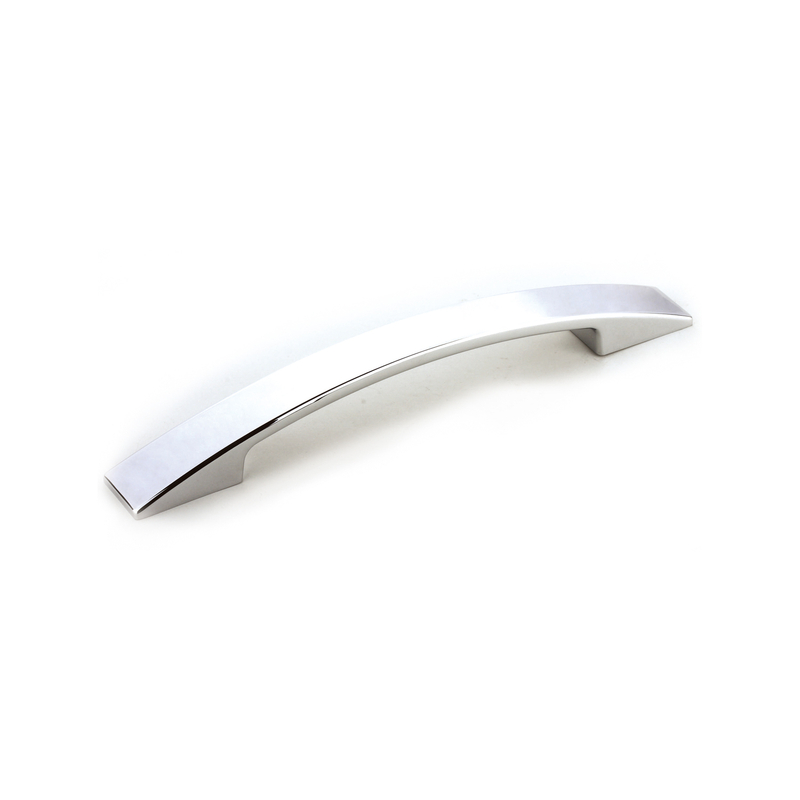
As we look to the future, architectural hardware design is evolving rapidly, driven by innovations in materials and technology, as well as a growing demand for customization. These trends not only enhance functionality but also significantly impact aesthetics.
The landscape of architectural hardware is witnessing exciting new materials. Designers are increasingly using materials like composite metals, recycled plastics, and bio-based materials. These options not only offer durability but also align with sustainability goals.
● Sustainable Materials: Many manufacturers are focusing on eco-friendly options. For example, hardware made from recycled aluminum or sustainably sourced wood is gaining popularity.
● Smart Technology: The integration of smart technology into hardware is a game changer. Smart locks, for instance, allow users to control access remotely, enhancing security and convenience.
Technology is reshaping how we think about design. As hardware becomes smarter, design trends are evolving to incorporate sleek, minimalist aesthetics that accommodate advanced functionality.
● Examples of Smart Hardware:
○ Smart Locks: These locks can be controlled via smartphone apps, providing both security and ease of use.
○ Automated Door Systems: These systems enhance accessibility and create seamless transitions between spaces.
Innovation Type | Description | Example |
Sustainable Materials | Eco-friendly, durable options | Recycled aluminum hardware |
Smart Technology | High-tech solutions for security | Smartphone-controlled locks |
Automated Systems | Enhances accessibility | Motion-sensor doors |
Customization is becoming a key trend in architectural hardware design. Homeowners and businesses alike are seeking bespoke solutions that reflect their unique tastes and requirements. This trend allows for greater creativity and individual expression in design choices.
● Bespoke Hardware Solutions: Custom hardware can be designed to match specific dimensions, finishes, and styles, ensuring it perfectly complements the overall aesthetic of a space.
Personalization significantly influences design decisions. When choosing tailored hardware, designers must consider how these unique pieces fit within the broader design narrative.
● Examples of Tailored Hardware:
○ Custom Cabinet Handles: Designed to match specific cabinetry styles, enhancing the overall look.
○ Unique Door Knobs: Crafted from distinctive materials or shapes, these knobs serve as statement pieces.
Customization Aspect | Description | Impact on Design |
Tailored Solutions | Hardware designed to specific needs | Enhances uniqueness |
Material Choices | Selection of materials for personalization | Creates cohesive aesthetics |
Design Coherence | Ensuring customized pieces fit the overall design | Maintains visual harmony |
While personalization adds character, it’s crucial to ensure that customized hardware aligns with the overall design vision. Designers must carefully select pieces that not only stand out but also harmonize with existing elements in the space. This coherence is essential for creating a unified aesthetic that resonates with the intended style.
By embracing innovations in materials and technology, along with the trend toward customization, the future of architectural hardware design promises to be both functional and visually captivating. This evolution reflects a broader shift towards creating environments that are not only practical but also deeply personal.
Architectural hardware significantly impacts design and aesthetics. It enhances functionality while contributing to the overall look of spaces. Key points include innovations in materials, the rise of smart technology, and the trend toward customization.
When choosing architectural hardware, consider both aesthetics and functionality. This balance is essential for creating cohesive designs.
Explore various architectural hardware options for your projects to find the perfect fit. Your choices can transform spaces beautifully.