


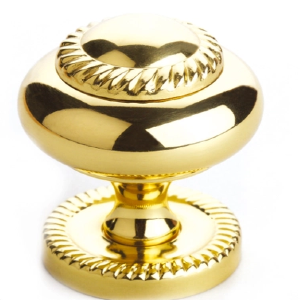
Ever had a door swing open and hit the wall? A door stop can prevent that damage fast.
In this guide, we explain how to use a door stop the right way. You’ll learn which type to choose, where to place it, and how to keep it working.
Start by watching how the door moves in real life. Open it fast, then slow, and notice where it naturally stops. Look for the true strike point, since it may be the knob, lever tip, or door edge. A door stop must meet that strike point every time, or it will miss and fail. Baseboard models work when the knob hits a flat wall area. Wall bumpers help when the baseboard is shallow or missing. Floor stops suit heavy doors that swing over hard flooring. Hinge pin stops work near vanities, toilets, and glass panels. If you choose by guesswork, you’ll likely fix wall damage later.
Some rooms need fixed protection every day, and others need flexibility. A permanent door stop works best in rentals, offices, hallways, and public rooms. It gives consistent results for every user, even under heavy traffic. Portable wedge styles suit short tasks, like moving boxes or cleaning floors. They are cheap and quick, yet they can slip on smooth tile. A smart plan uses both types, based on room risk and usage frequency. For property teams, standardizing fixed models reduces replacements and speeds repairs. Keep wedges as support tools, not your only solution.
Material choice affects lifespan, corrosion resistance, and total cost. Brass hardware often resists corrosion and keeps a premium feel in visible spaces. Zinc alloy options can reduce budget pressure during large rollouts. Rubber tips help cut noise and protect paint from hard contact. Chrome finishes clean easily and fit humid rooms better than bare metal. If you manage commercial projects, ask suppliers for plating thickness and wear performance. If you buy by price alone, you may pay more in service calls later.
Tip: For multi-room projects, build a door-by-door hardware schedule early.
Door context | Best door stop type | Why it works | Common mistake |
Bedroom, baseboard present | Baseboard stop | Blocks knob before drywall | Too close to hinge |
Bathroom near fixtures | Hinge pin stop | Limits swing near vanity | Buffers too tight |
Heavy door on tile | Floor stop | Takes impact on floor | Sits in walkway |
A baseboard door stop protects the wall at knob height and reduces repeated dents. Open the door until the knob gets closest to the wall, then mark that point on the baseboard. Place the stop so the rubber tip meets the knob cleanly, not the door edge. If it hits the edge, move the stop outward slightly toward the knob path. Tighten the screw into solid trim whenever possible, since weak material loosens fast. Test three times using normal door speed, not slow testing. It should stop the door without a loud bounce or a sharp knock.
A wall bumper door stop works well in modern spaces that have flush walls. It also fits narrow trims, tile walls, and glass partitions near doors. First, find the true contact point by using tape on the wall area. Close the door slowly until the knob or lever tip touches the tape. Mount the bumper at that height, and use a larger face for lever handles. If the wall is hollow, choose an anchor rated for impact and shear. Avoid tiny plastic anchors, since they fail under repeated hits. After mounting, open the door firmly once, then recheck contact alignment.
Hinge pin stops control swing without touching the wall surface. They work well near toilets, towel bars, cabinets, and glass panels. Close the door to reduce hinge tension, then tap the hinge pin upward and remove it. Slide the hinge pin door stop onto the hinge, then reinsert the pin carefully. Set the rubber buffers to the opening angle you want, leaving a small safety gap. Open the door and confirm it clears the fixture every time. If the door binds, reduce the limit slightly and retest. This method protects tight spaces where wall stops cannot sit safely.
A floor-mounted door stop handles strong impact from heavy doors and frequent traffic. It also helps when walls are fragile, decorative, or expensive to repair. Place it so it stops the door before the handle hits anything. Try to keep it outside the main walking line to reduce trip risk. Mark holes, then drill for the surface type, such as wood, tile, or concrete. For tile and concrete, use the correct plugs and corrosion-resistant screws. Tighten until the base sits flat and does not rock. Test using a firm push and a gentle push, then watch for sliding.
A wedge door stop is fast and tool-free, so it fits short tasks well. Slide it under the door closer to the hinge side, since it reduces push force. If the door is heavy, push the wedge deeper in small steps. On smooth floors, choose a wedge that uses high-grip rubber. On carpet, use a thicker wedge to gain better bite. Avoid placing wedges in busy paths, since they can cause trips. Never wedge fire doors open unless local rules allow it. When the task ends, remove it and store it, so it stays clean.
Most door stop problems come from poor stop point setup. If it hits too late, the door builds speed and rebounds hard. That rebound loosens screws and creates loud noise during daily use. Aim to stop the door just before wall contact, not after contact. Let the rubber tip compress slightly, then hold the door stable. If you hear a sharp knock, shift the stop outward for softer contact. If the door rebounds, increase the contact area or use a thicker bumper. For magnetic models, align the catch so it engages smoothly. Always test at normal user speed for real results.
Good placement saves time and prevents repeat repairs. Open the door until it reaches its typical maximum position. Repeat using a faster swing, and watch which part leads contact. For levers, track the lever tip path, not the knob center. Use tape to mark the strike point on the wall, baseboard, or floor. For magnetic door stop styles, check alignment at the final open angle. When you see consistent contact, you can mount confidently. This quick step prevents “almost works” installations that fail later.
A clean install starts using accurate marks and the right fasteners. Use a pencil mark, then confirm it twice before drilling. Pre-drill pilot holes for wood trim and wood floors to reduce splitting. For drywall, use anchors rated for impact loads, not basic light-duty plugs. For tile, drill slowly and avoid cracking grout lines. For concrete, use proper plugs and anti-rust hardware. Tighten fasteners until snug, then stop before stripping begins. After mounting, test the door at normal speed and confirm stable contact.
Note: In offices and hotels, record placements for faster future maintenance.
Surface | Fastener choice | Drill tip | Extra check |
Wood trim | Wood screw + pilot | Small pilot, straight | Hit solid trim |
Drywall | Toggle or heavy anchor | Correct size hole | Anchor must not spin |
Tile | Tile bit + plug | Slow, light pressure | Avoid cracked grout |
Concrete | Masonry plug or screw | Hammer drill | Use anti-rust hardware |
Many installs fail due to predictable placement mistakes. Avoid placing a stop too close to the hinge side, since the handle travels wider near the latch side. Avoid placing floor stops where people step often, since it creates hazards. Do not aim rubber tips at uneven edges, since they tear faster and slip. After mounting, use a simple three-speed test routine. Open the door gently, then normally, then firmly. Listen for bounce and watch for base movement or twisting. If it shifts, reseat it and tighten again, then repeat testing.
Kids push doors fast, and pets move unpredictably through openings. A door stop helps control sudden swings and reduces loud bangs. Use softer rubber tips in nurseries, playrooms, and pet areas. In corridors, choose heavy-duty models built for repeated impact. Encourage users to open doors smoothly, since slams shorten hardware life. Facility teams can standardize one durable model across high-traffic zones. That choice simplifies spare parts and maintenance training. It also reduces paint repairs and tenant complaints.
Holding doors open helps airflow and supports cleaning routines. Yet a door stop can become a trip hazard if placed poorly. Avoid wedges in the center of walking lines, especially near stairs. Place wedges closer to the hinge side and tight to the jamb area. For longer holds, consider a magnetic floor unit that stays low-profile. It holds doors open without loose parts scattered on the floor. If the door must self-close, avoid wedges and use approved hardware. This approach keeps safety and compliance aligned in shared buildings.
If a door stop loosens every month, it is likely undersized. If rubber tips tear quickly, the door impact may be too strong. If walls still get marks, the contact face may be too small. In these cases, switch to a heavier body or a floor-mounted style. Exterior doors need better moisture resistance and stronger fasteners. For commercial sites, specify anchor type and installation rules per surface. That keeps contractor work consistent across rooms. It also reduces callbacks, downtime, and warranty disputes.
Tip: For facility teams, keep tips, screws, and anchors in one kit.
Most door stop problems start small, then grow fast. Once a month, take one minute per door. Look for a base that leans, a screw that backs out, or a tip that looks flattened. Then do a simple “push test.” Open the door as usual and let it touch the stop. Watch the stop, not the door. If it shifts or clicks, tighten the screws first. If the hole no longer holds, swap the anchor instead of over-tightening. Next, squeeze the rubber tip. If it feels hard, slick, or cracked, replace it early. Fresh rubber absorbs impact and lowers noise. For hinge pin models, check the buffer bolts. They can slowly drift and change the stop angle. Keep a short note of doors that fail often. They usually share heavy doors or weak trim.
Clean contact surfaces, and your door stop works better. Rubber tips pick up dust and grit, which makes them slip and squeak. Wipe them using mild soap and water, then dry them fully. Avoid strong cleaners, since they can dry out rubber and cause cracking. If you use magnetic styles, wipe both metal faces. A thin layer of dirt can reduce holding strength and cause misalignment. For floor-mounted units, check around the base edge. Grit trapped there can scratch tile and also loosen the mount over time. If the stop uses adhesive, keep the floor area oil-free. Even a small film can weaken the bond. Clean parts also look better in public areas, so they support the space’s “finished” feel.
Bathrooms create a tougher environment for any door stop. Steam, water drops, and cleaning chemicals can stain finishes and corrode screws. Choose finishes made for humidity when possible, and wipe water spots during routine cleaning. Also watch the fasteners. If you see early rust, replace screws before the heads strip. In very tight toilet areas, hinge pin stops can be safer. They reduce wall contact and avoid fixture hits. If corrosion keeps returning, upgrade to brass parts or better plating. Results depend on local humidity and cleaning products (need to verify). A small material upgrade often reduces service work later.
If the knob still hits, treat it as a placement issue first. Re-check the swing path at normal speed, since slow testing hides the real contact point. Confirm the door stop actually meets the knob or lever tip, not the door edge. Baseboard stops often need to sit closer to the latch side to catch the handle path. Wall bumpers may need a larger face if contact is inconsistent. Also check hinge sag, since it changes the handle arc. Tighten hinges before moving the stop, or you may “fix” the wrong thing. After any change, test using gentle, normal, and firm swings. It should stop cleanly every time.
Sliding usually means low friction or weak mounting. For wedge styles, pick rubber that grips smooth floors and does not compress too easily. For floor-mounted units, confirm the screws reach solid material below. If the stop relies on adhesive, clean the floor and re-bond using the correct cure time. Dust, oil, and moisture can ruin adhesion fast. On tile, screw mounting using proper plugs often holds better than adhesive alone. Also check side force. If the door pushes the stop sideways, shift the stop slightly toward the hinge side. That change reduces sideways load and improves stability.
Stripped holes happen often in drywall and hollow walls. If an anchor spins, remove it and clean the hole. Then upgrade the fixing method instead of reusing the same spot. Toggles or heavy-duty metal anchors usually hold impact loads better. For baseboard installs, aim for solid trim wood when possible. If trim is thin, move to a stronger section rather than forcing the screw. Patch failed holes, let the filler cure, then drill again. Tighten until snug, then stop. Over-tightening is a common cause of repeat failure.
Tip: If failures repeat, standardize better anchors in your procurement list.
Using a door stop well starts with the right type and placement. Test the swing path, set a clean stop point, and avoid hazards in busy areas. Simple monthly checks and quick cleaning keep it working longer, and they reduce noise and wall damage.
If you manage many doors, standard parts make upkeep easier. Ningbo Tongyi Metalwork Co.,Ltd supplies durable door hardware, including reliable door stop options in quality materials and finishes. Their OEM/ODM support also helps you match style, function, and project needs.
A: A door stop limits door swing to protect walls, hardware, and nearby fixtures.
A: Use a non-slip door stop or a screw-fixed floor model to prevent sliding.
A: The door stop is likely misplaced; move it toward the latch-side swing path.
A: A wedge door stop can be a trip risk; use a fixed low-profile option instead.
A: Brass door stop parts resist corrosion; zinc alloy often costs less for large projects.