


A door lock is an essential part of any door, providing security, privacy, and smooth operation in homes, offices, hotels, and commercial buildings. Over time, you may need to remove a door lock for replacement, repair, upgrade, or door renovation. Although removing a door lock is not a difficult task, using the wrong method can damage the door, strip screws, or break the lock body. Different types of door lock such as cylindrical locks, mortise locks, deadbolts, and smart locks have different structures, so the removal process must be done carefully.
This guide explains how to remove a door lock step by step, what tools are required, how to handle different lock types, and how to avoid common mistakes. Following the correct procedure will help you remove the lock safely and prepare the door for repair or installation of a new lock.
There are many situations where removing a door lock is necessary. In most cases, the lock must be taken off to fix a problem, replace worn parts, or upgrade to a better lock. Removing the lock correctly helps protect the door and ensures the new lock can be installed without difficulty.
One of the most common reasons to remove a door lock is to replace an old or damaged lock. Locks wear out after long use, especially on exterior doors or frequently used commercial doors. When the lock becomes hard to turn, loose, or unreliable, removing it is the first step before installing a new one.
Sometimes the lock does not need to be replaced completely. Internal parts such as the cylinder, latch, or handle may need repair. In these cases, the door lock must be removed to access the internal mechanism and fix the problem safely.
During renovation or remodeling, people often change door handles, locks, and hardware to match the new design. Removing the old door lock allows you to install a new style or stronger lock with better durability.
If the door lock is broken or jammed, it may not open or close properly. Removing the lock helps inspect the problem and decide whether repair or replacement is needed.
When moving into a new house, office, or rental property, replacing the door lock is recommended for safety. Removing the old lock ensures that previous keys will no longer work.
Removing the door lock carefully prevents damage to the door and makes installation of the new lock easier.
Most door locks can be removed using simple tools. Preparing the correct tools before starting will make the job faster and safer.
Tool | Purpose | Required |
Screwdriver | Remove screws and plates | Yes |
Allen key | Remove hidden handle screws | Optional |
Drill | Remove damaged screws | Optional |
Pliers | Pull broken parts | Optional |
Flashlight | Check hidden screws | Optional |
Replacement screws | Install new lock | Optional |
Using proper tools helps avoid stripping screws or damaging the door surface.
Door locks are precision hardware, and using the wrong screwdriver size can damage screw heads, making removal difficult. Some locks also have hidden screws that require an Allen key. If a screw is rusted or stuck, a drill may be needed to remove it safely. Professionals always use the correct tools to prevent damage and ensure the door lock can be removed without breaking the door or lock body.
Removing a door lock should be done in the correct order. Taking parts off randomly may cause the lock to get stuck or damage the door. Follow these steps carefully.
Always open the door before removing the lock. Keeping the door open prevents the latch from getting stuck in the frame. This also makes it easier to access both sides of the door lock. Make sure the door is stable and will not move while you work.
Use a screwdriver to remove the screws on the handle or knob. Some locks have screws on the inside only, while others have hidden screws under a cover plate. After removing the screws, pull the handle apart from both sides of the door. If the handle does not come off easily, check for hidden screws or clips.
After the handle is removed, locate the latch plate on the edge of the door. Unscrew the plate and pull the latch out slowly. The latch connects the handle to the lock mechanism, so it must be removed before the lock body can come out.
Once the latch is removed, the cylinder or lock body can be pulled out from the door. Hold the lock firmly and slide it out carefully. If the lock does not move, check again for screws that may still be holding it in place.
After the door lock is removed, clean the hole in the door. Remove dust, wood pieces, or old paint. A clean hole makes it easier to install a new lock and ensures proper alignment.
Following the correct steps prevents damage and makes the removal process smooth.
Different door lock designs require slightly different removal methods. Understanding the lock type helps you remove it without damaging the hardware.
Cylindrical locks are common in homes and offices. These locks usually have screws on the handle and latch plate. Removing the screws allows the handle and latch to come out easily.
Mortise locks are installed inside the door, so they require more steps to remove. After removing the handle and screws, the lock body must be pulled out from the side of the door. Be careful not to damage the door pocket.
Deadbolt locks are usually installed above the handle. Remove the screws on the inside plate first, then pull the cylinder out. After that, remove the bolt from the edge of the door.
Lever locks often have hidden screws under a cover plate. Remove the cover first, then unscrew the handle. After the handle is removed, the latch can be pulled out.
Smart locks may include wires, batteries, or electronic parts. Remove the battery cover first, then unscrew the lock carefully. Do not pull wires suddenly, as this may damage the lock.
Knowing the lock type helps avoid mistakes during removal.
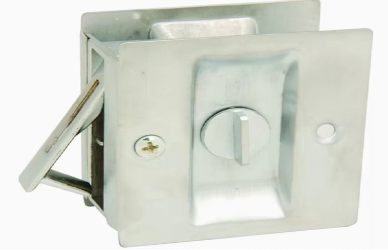
Sometimes the lock does not come off easily. This usually happens because of rust, hidden screws, or incorrect removal order.
Problem | Cause | Solution |
Screw stuck | Rust or paint | Use lubricant |
Handle not moving | Hidden screw | Check carefully |
Lock stuck | Dirt or old paint | Clean first |
Cylinder won’t come out | Wrong order | Remove latch first |
Stripped screw | Wrong tool | Use correct driver |
Understanding these problems helps you remove the door lock without damaging the door.
Always remove screws slowly and keep parts in order. Do not force the lock if it feels stuck. Check carefully for hidden screws before pulling the lock out. Taking time during removal prevents costly repairs later.
Removing a door lock safely is important, especially if the lock will be reused or replaced with a new one.
Use the correct screwdriver size to avoid damaging screws. Remove parts in the correct order and keep them together so they are not lost. Do not force the lock out of the door because this may break the wood or metal. If the lock is very old or rusted, apply lubricant before removing screws. High-quality locks made from durable materials such as brass are usually easier to remove even after long use because they resist rust and wear.
Yes, most door locks can be removed without professional help if you have the correct tools and follow the proper steps.
Some locks hide screws under covers for better appearance and security. Removing the cover plate will reveal the screws.
Use a drill or screw extractor to remove the damaged screw carefully without damaging the door.
Yes, once the old door lock is removed and the hole is cleaned, a new lock can usually be installed using the same opening.
Removing a door lock is a simple task when the correct steps are followed. Most door locks can be taken off using basic tools, but different lock types require different removal methods. Opening the door first, removing the handle, taking out the latch, and then pulling the lock body out is the safest order. Using proper tools and avoiding excessive force prevents damage to the door and hardware. Regular maintenance and high-quality locks also make future removal easier. Choosing durable locks, especially solid brass door locks, helps ensure long service life and smooth operation in residential, commercial, and industrial doors.