
Views: 0 Author: Site Editor Publish Time: 2026-03-24 Origin: Site


A door lock may sometimes become jammed and refuse to open from the outside, even when the correct key is used. This situation is common in residential doors, office doors, hotel rooms, and commercial buildings, especially when the lock has been used for a long time or exposed to dust, moisture, or heavy force. When a door lock gets stuck, many people try to force it open, which often causes more damage to the lock, key, or door. Knowing how to open a jammed door lock from the outside safely can help prevent costly repairs and keep the hardware working properly.
This guide explains the common reasons a door lock becomes jammed, the tools needed, step-by-step methods to open it, and tips to prevent the problem in the future. Using the correct technique is important because different types of door lock require different solutions.
A jammed door lock is usually caused by mechanical problems rather than security issues. Over time, internal parts wear out, dirt builds up inside the cylinder, or the door becomes misaligned. Understanding the cause makes it easier to open the lock safely.
Dust, rust, and moisture can collect inside the lock cylinder, especially on exterior doors. When this happens, the internal pins cannot move smoothly, and the key becomes hard to turn. This is one of the most common reasons a door lock jams from the outside.
If the door is not aligned correctly with the frame, the latch may be pressed tightly against the strike plate. This pressure makes the key difficult to turn and can make the lock feel stuck.
Sometimes the key goes into the lock but will not rotate. This can happen if the key is worn, the cylinder is damaged, or the lock has not been lubricated for a long time.
Springs, pins, and cylinders inside a door lock can wear out after years of use. When internal parts break, the key may turn but the latch will not move.
If the strike plate moves or the door frame shifts, the latch may not fit correctly. This causes resistance when trying to unlock the door from the outside.
A worn cylinder can prevent the key from lifting the pins correctly. When this happens, the lock may jam even if the correct key is used.
Most jammed door lock problems are mechanical and can be fixed without replacing the entire lock.
Opening a jammed door lock from the outside usually requires only simple tools. Using the correct tools helps avoid damage and makes the repair easier.
Tool | Purpose | Required |
Screwdriver | Remove handle or plate | Optional |
Graphite lubricant | Reduce friction in lock | Yes |
Spare key | Test cylinder | Yes |
Pliers | Pull broken key | Optional |
Flashlight | Check inside lock | Optional |
Replacement cylinder | For damaged locks | Optional |
Using proper tools is safer than forcing the lock open with random objects.
Door locks are precision hardware, and using the wrong tool can scratch the surface, strip screws, or break internal parts. Professional installers always use the correct screwdriver size, proper lubricant, and compatible replacement parts to avoid damaging the door lock.
When a door lock is jammed, follow the steps below in order. These methods help open the lock safely without breaking the key or damaging the door.
Start by checking that you are using the correct key. Try inserting the key fully and turning it slowly. If possible, test a spare key to see if the problem is caused by a worn key. Look inside the keyhole for dirt or rust. Cleaning the keyhole before turning the key can often solve the problem.
If the key goes in but does not turn easily, apply graphite or lock lubricant into the cylinder. Insert and remove the key several times to spread the lubricant inside. Avoid thick oil because it attracts dust and can make the lock jam again later.
Sometimes the latch is stuck because the door is pressed too tightly against the frame. Try pushing or pulling the door while turning the key. You can also lift the door slightly by holding the handle. Reducing pressure on the latch often allows the lock to move.
Turn the key gently and move it slightly back and forth. Do not use too much force. Forcing the key may break it inside the lock, which makes the situation more difficult to fix.
On some cylindrical or lever locks, the handle can be removed from the outside using a screwdriver. After removing the handle, you may be able to access the latch directly and open the door. This method should be used carefully to avoid damaging the hardware.
If the door lock is a mortise lock, deadbolt, or high-security lock, it may be difficult to open without special tools. In this case, calling a professional locksmith is safer than forcing the lock open.
Following these steps helps open most jammed door locks without causing permanent damage.
Different door lock designs require different methods. Identifying the lock type helps choose the safest solution.
Cylindrical locks are common in homes and offices. Most jamming problems come from dirt, loose screws, or worn keys. Cleaning and lubrication usually fix the problem.
Deadbolts provide strong security but may jam if the door is misaligned. Adjusting the door position while turning the key often helps.
Mortise locks are strong and complex. If the lock jams, the internal mechanism may need repair. Avoid forcing the key because this can damage the lock body.
Lever locks may jam when the internal spring wears out. Tightening screws or replacing the latch often fixes the issue.
Smart locks may stop working due to low battery or system error. Check the battery first and use the backup key if available.
Understanding the lock type makes it easier to open the door safely.
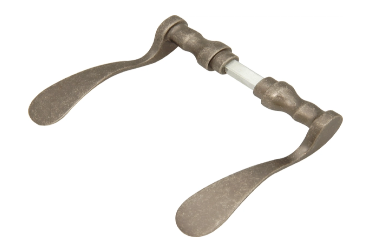
Sometimes opening the lock is not enough, and replacing it is the safer option.
Problem | Open | Replace |
Dirt inside | ✔ | |
Loose screws | ✔ | |
Latch misaligned | ✔ | |
Broken cylinder | ✔ | |
Rusted lock body | ✔ | |
Very old lock | ✔ | |
Security upgrade needed | ✔ |
If the lock is badly worn or broken, replacing it ensures better safety and smoother operation.
When replacing a lock, choose strong materials such as brass or stainless steel. High-quality locks last longer and are less likely to jam. For exterior doors, heavy-duty locks provide better protection and durability.
Regular maintenance can prevent most door lock problems. Simple care keeps the lock working smoothly for many years.
Clean the lock regularly to remove dust and dirt. Use graphite lubricant once or twice a year to keep the internal parts moving smoothly. Avoid slamming the door because strong impact can damage the latch. Make sure the lock size matches the door thickness and hole position. Installing high-quality hardware, especially brass door locks, helps reduce rust, wear, and jamming problems.
Experienced door lock manufacturers recommend choosing durable materials and installing locks correctly to avoid frequent problems.
Solid brass door locks are widely used because brass is strong, corrosion-resistant, and suitable for indoor and outdoor use. For heavy doors or commercial buildings, commercial-grade locks provide better durability than standard locks. Always check alignment during installation and keep the lock clean and lubricated. High-quality manufacturing ensures smoother operation and longer service life.
This often happens because the latch is under pressure from the door frame or the cylinder is worn on one side.
Yes, temperature changes can cause metal parts to expand or contract, making the lock harder to turn.
Try lubricant and reduce pressure on the door. If the problem continues, the cylinder may be damaged.
Regular cleaning, proper lubrication, correct installation, and using high-quality door locks can prevent most jamming problems.
 Conclusion
A jammed door lock from the outside is a common problem, but in most cases it can be fixed without damaging the lock if the correct method is used. Dirt, wear, misalignment, and lack of lubrication are the main causes of lock jamming. By checking the key, applying lubricant, adjusting the door, and using the proper tools, most door locks can be opened safely. Regular maintenance and proper installation help prevent future problems. Choosing high-quality locks made from durable materials such as brass also improves reliability and reduces the chance of the door lock getting stuck in daily use.