


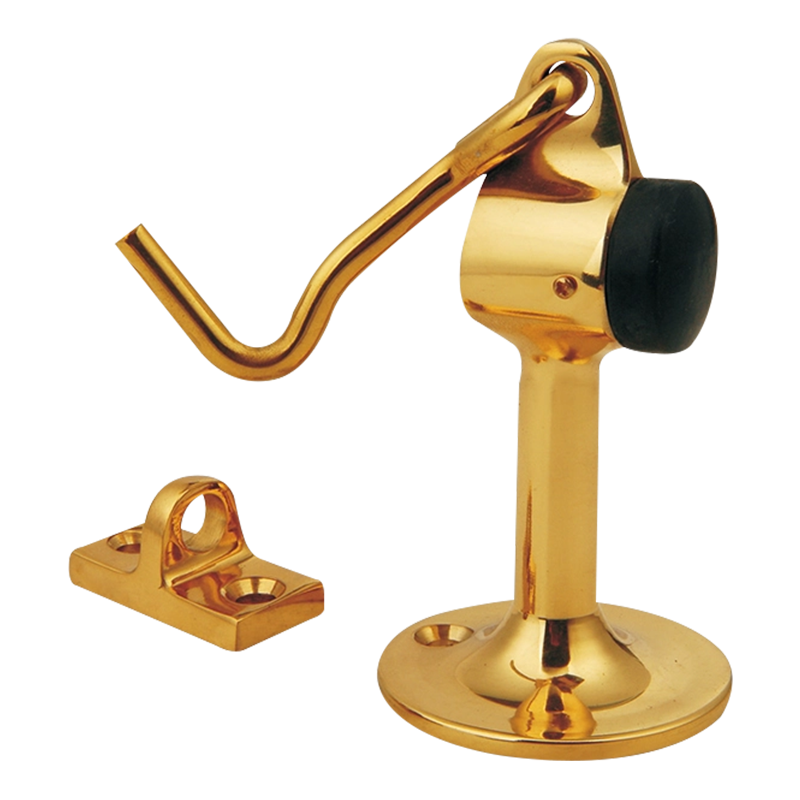
Is your door constantly slamming into the wall or swinging wildly? This common issue can damage both your door and your walls. A door stop is the simple solution you need to protect your home.
In this guide, we will show you how to make your own door stop using materials you probably already have. You'll learn how to create a functional, durable, and even stylish door stop that fits your home perfectly. Let's dive into the easy steps and get started on your DIY project!
Doors, especially those in high-traffic areas, can cause significant damage to walls and themselves without proper protection. When a door swings freely or slams shut, it can leave dents or scratches on walls, and over time, damage the door frame. A door stop acts as a barrier to absorb the impact, keeping your walls and doors in pristine condition.
A door stop helps ensure that your door doesn't damage the walls or furniture in its path. It's crucial to select the right type and size of door stop to prevent unnecessary wear and tear on your living spaces. Without one, the door might repeatedly hit the walls, leaving unsightly marks and potentially causing long-term damage to both the door and surrounding surfaces.
Having a reliable door stop ensures that your door stays in place, especially in busy areas, preventing doors from slamming shut or being left open at awkward angles. Whether you're dealing with a heavy door or a lightweight one, a door stop provides the necessary force to protect your home.
A door stop isn’t just about functionality; it can also add a touch of style to your home. Whether you opt for a rustic wooden door stop, a sleek metal design, or a fabric-covered one that matches your room, a door stop is an easy way to enhance your home décor.
Functionality and style are both important when selecting a door stop. It is an easy home improvement that doesn't require a lot of effort but can still make a significant difference in the look and functionality of a room. A door stop can be chosen to fit the vibe of your space—modern, industrial, or rustic. Adding fabric covers with unique patterns or opting for a solid wood design adds a customized, personal touch to your living space.
A door stop can double as a decorative element while performing its practical purpose. From bold and colorful designs to minimalist metal styles, the possibilities for creative door stop designs are endless, allowing you to integrate them seamlessly into your home’s aesthetic.
Making your own door stop requires just a few basic materials. Let’s break it down:
The base is the foundation of your door stop, and it needs to be heavy enough to hold the door in place. Here are a few material options:
● Old brick: Sturdy and easy to wrap in fabric for a vintage look.
● Wood: A piece of reclaimed wood can work well for a rustic design.
● Metal: Ideal for a more industrial-style door stop.
Choosing the right base material is crucial. A lightweight material won’t effectively stop your door from moving. You need something with enough weight to hold the door in place, such as a brick or a piece of wood. For an industrial look, metal can also be a great choice.
If you want a more durable door stop, opt for a metal or wood base. If you prefer a more flexible and easy-to-move option, consider using a fabric-covered base that you can fill with heavier materials like sand or rice for added weight.
Once you have your base, you’ll need to choose a cover. Fabric is an excellent option because it adds personality while keeping things simple. Materials like cotton, linen, or even denim can be used. If you want something more durable, consider using leather or faux leather.
For fabric, you can select a sturdy material to ensure it holds up over time. Consider using vintage fabrics, colorful patterns, or even upcycling old clothes to create something unique. A fabric cover provides the flexibility to match your door stop to the décor of your room. Leather or faux leather can be ideal if you’re aiming for a more upscale or industrial design.
● Filling: You can add filling to make your door stop heavier. Consider rice, sand, or even small scrap metal pieces. This ensures the door stop will stay in place.
● Tools Required: You’ll need a sewing machine, needle, thread, scissors, and a hammer or drill for certain types of door stops.
For extra weight, consider adding materials like sand or rice. This can be done by placing these materials inside a fabric pouch that is sewn or glued to the door stop base. These additions ensure that the door stop doesn’t move or slide around when the door is opened and closed.
Creating your own door stop is easy with a few simple steps. Let’s go through the process:
Start by selecting your base material. If you're using a brick, ensure it’s clean and free of debris. For wood or metal, cut it to size based on your desired dimensions. The base should be large enough to provide stability but not too bulky to be cumbersome.
Material | Size/Dimensions | Tips |
Old Brick | Roughly 4 x 6 inches | Wrap in fabric for a stylish look |
Wood Piece | 5 x 5 inches (or larger) | Sand the edges for a smooth finish |
Metal Plate | 4 x 6 inches (or as needed) | Use a grinder for clean cuts |
Make sure the base is heavy and stable. The larger the base, the more resistance it will provide to the door's movement. Take measurements carefully and ensure that the base is proportional to the size of your door.
Once the base is ready, it’s time to prepare the fabric cover. Measure out enough fabric to wrap the base with a 1-2 inch overhang on all sides. If you’re using a sewing machine, fold the edges inward and sew them together to create a neat finish. If you’re not a fan of sewing, you can use a strong adhesive to secure the fabric.
● Sewing Tip: Use a fabric that complements the overall décor of the room.
● Adhesive Option: For a no-sew option, use fabric glue or a hot glue gun to bond the fabric to the base.
The fabric should be snug around the base, but not too tight. A good fit ensures that your door stop looks clean and tidy while also serving its functional purpose.
Now that the base and fabric are ready, assemble the door stop by wrapping the fabric around the base and securing it. For extra weight, add rice or sand inside the fabric pouch before closing it securely. Ensure that the cover fits snugly, but doesn’t stretch or distort the shape.
If you're using a fabric cover, make sure to attach it securely, either by sewing or gluing, depending on your preference. If you're using a heavier material, such as wood or metal, ensure that the fabric is tightly secured to prevent it from slipping.
Once the door stop is assembled, you can add any decorative elements. You might want to paint the fabric or add some embroidery for a personalized touch. This is where you can get creative and make your door stop a unique piece in your home.
● Decoration Ideas: Paint patterns on wooden bases or add embroidered initials on fabric covers.
Feel free to experiment with different designs or add decorative elements such as beads, sequins, or other embellishments to make your door stop truly one of a kind.
Once your door stop is ready, it’s time to install it properly to ensure it functions as intended. Installation is simple, but it's important to follow the right steps to avoid common mistakes that could affect its performance.
A wall-mounted door stop works best in narrow spaces where the door swings toward the wall. The advantage of wall-mounted stops is that they keep the door from hitting the wall, preventing damage to both. To install, position the door stop where the door is most likely to make contact with the wall. Usually, this will be near the door frame, at the point where the door swings fully open. Use screws or wall anchors to secure the door stop in place. If you are installing it on drywall, use anchors to ensure that it holds securely and can withstand repeated use. Once it's in place, test the door to ensure it doesn’t move too far or not enough. Adjust the position if necessary to ensure a proper fit.
For floor-mounted door stops, the installation is slightly different. These are ideal for preventing damage to both the floor and the door. Start by placing the door stop on the floor where the door swings, typically at the base of the door or near the edge of the door frame. Depending on the size and type of door stop you are using, either screws or heavy-duty adhesive can be used to secure it in place. For a more permanent installation, screws are recommended. Drill pilot holes for the screws to ensure they stay in place over time. If you choose adhesive, ensure it is strong enough to hold the weight of the door and withstand repeated impact. After installation, make sure the door stop does not slide when the door makes contact with it.
After installation, always test your door stop to ensure it functions as expected. Open and close the door a few times to check that it prevents the door from slamming into the wall or moving too far. Pay attention to the force of the door hitting the door stop to ensure it is durable enough to withstand regular use. If you notice any issues, such as the door not being held in place or the door stop shifting, reposition or adjust it accordingly. Testing ensures that your door stop is not only functional but also effective in preventing potential damage to your walls and doors.
Even the best DIY projects can encounter issues. Below are some common problems that you might face when installing your door stop and how to solve them.
If your door stop isn’t holding the door properly, it could be due to a few reasons. The most common issue is that the door stop might be too lightweight for the task. If your door is particularly heavy, the door stop may not provide enough resistance to prevent it from swinging freely. To solve this, consider adding more filling to the door stop, such as sand or rice, to increase its weight. Alternatively, you could use a heavier base material, like a metal plate or a brick, to ensure that it stays firmly in place when the door comes into contact with it. Additionally, check that the door stop is securely installed; sometimes a loose installation can cause it to shift, making it ineffective.
Another common issue is when the door stop doesn't fit properly in relation to the door. This can happen if the door stop is too small or too large for the space. A door stop that is too small won’t offer enough resistance to stop the door, while a door stop that is too large might obstruct the door’s movement, preventing it from closing properly. To avoid this, measure the space where you plan to place the door stop and ensure that it is the correct size. If necessary, try a different size or style of door stop to ensure a better fit. Adjust the placement so that the door stop effectively prevents the door from swinging too far or slamming into walls.
Creating your own door stop is a simple and cost-effective solution to protect your walls and doors. By following the easy steps provided, you can craft a functional and stylish door stop that adds both practicality and style to your home. Whether you use a brick, wood, or metal base, the choice is yours to create something unique.
If you're looking for high-quality, durable door stop solutions, Ningbo Tongyi Metalwork Co.,Ltd offers excellent options. Their expertise in crafting reliable, long-lasting metal products ensures that their door stops can withstand years of use, providing exceptional value and performance. Visit Ningbo Tongyi Metalwork Co.,Ltd for more information on their products and services.
A: A door stop is a simple device designed to prevent doors from slamming into walls or other objects. It helps protect your walls, doors, and furniture from damage. Whether it’s for home or office use, a door stop ensures that the door stays in place, avoiding any accidental impacts.
A: To install a wall-mounted door stop, position it where the door is most likely to hit the wall. Use screws or wall anchors to secure it in place. Make sure it's installed at the right height to effectively prevent the door from swinging too far.
A: Yes, you can make a door stop using simple materials like bricks, wood, or fabric. Follow a step-by-step guide to create a door stop that fits your décor and needs. Adding weight, such as sand or rice, can make it more effective.
A: A floor-mounted door stop is ideal for high-traffic areas. It provides stability by preventing the door from moving too far. It's easy to install and can be placed where the door swings. The heavier base ensures it stays in place.
A: If your door stop isn't holding the door properly, it may be too lightweight. Add more filling, such as sand or rice, or use a heavier base like a metal plate or brick to ensure it can handle the force of the door.