
Views: 0 Author: Site Editor Publish Time: 2025-12-22 Origin: Site


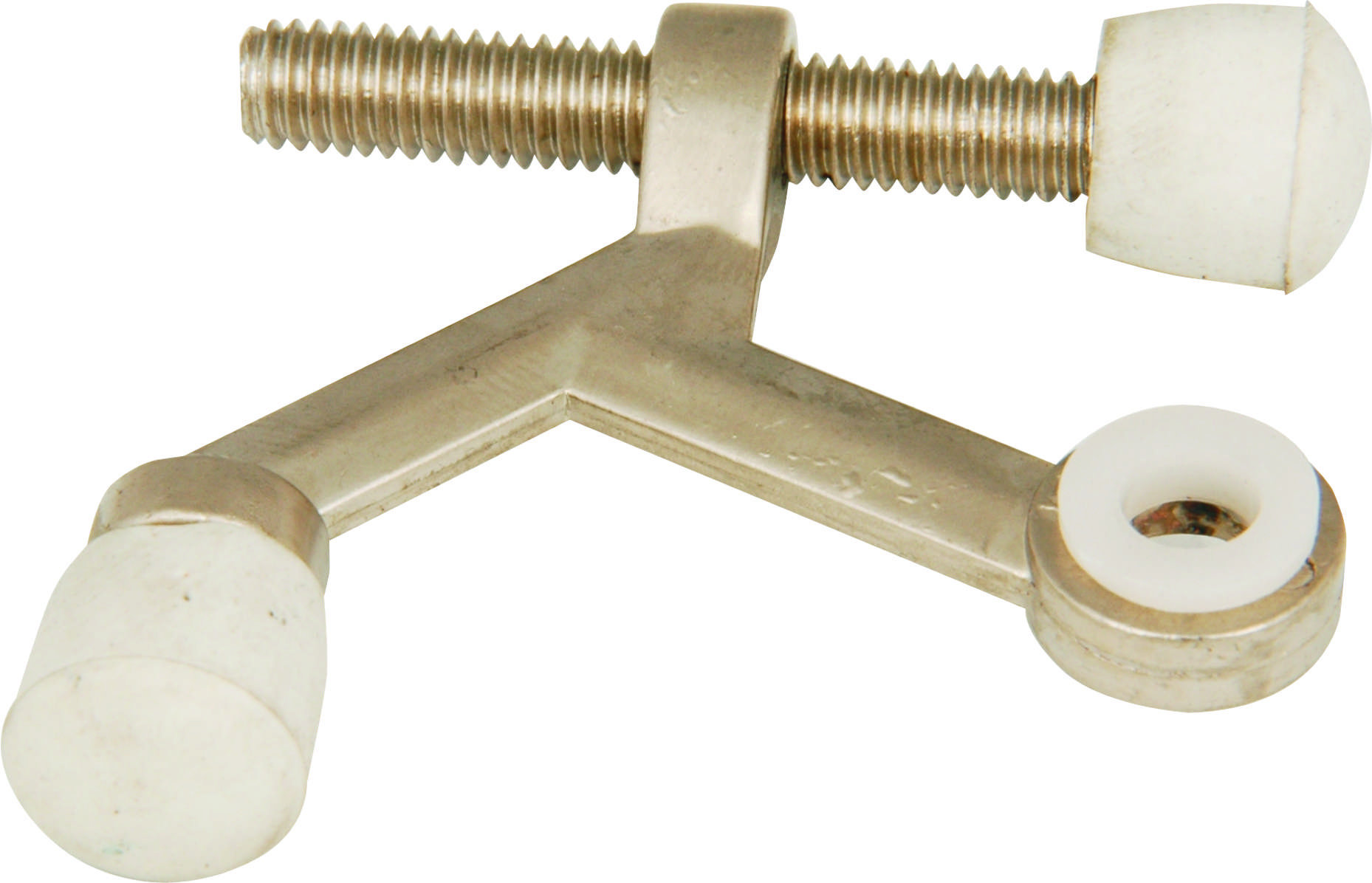
Are your doors swinging too far and damaging your walls or furniture? A hinge pin door stop is the perfect solution to prevent this issue. These simple devices limit the door's opening angle, preventing unwanted impacts.
In this guide, you will learn how to install a hinge pin door stop, a cost-effective and easy solution to protect your home and office from door-related damage.
Before starting the installation of your hinge pin door stop, it’s essential to gather the correct tools and materials. Having everything ready will ensure that the installation process goes smoothly and efficiently, saving you time and effort. Here’s a breakdown of what you’ll need:
Tool | Purpose |
Screwdriver | A Phillips head screwdriver is typically used to remove the hinge pin. It’s essential for loosening and lifting the pin out of the hinge. |
Hammer | A hammer is necessary for gently tapping the hinge pin if it is stuck. This ensures that the pin is properly loosened without damaging the door or hinge. |
Measuring Tape | Although optional, a measuring tape can help ensure precise alignment during installation, especially if you're working in tight spaces or need exact measurements for adjustments. |
Level | A level is optional but useful if you want to ensure that the door stop is aligned properly and functions without any issues. It helps verify that the door stop is installed evenly and at the correct angle. |
Material | Purpose |
Hinge Pin Door Stop | The main component required for the installation. It’s available in various styles and sizes to suit different hinge configurations. Make sure the size is compatible with your door hinges. |
Thermal Bushing (optional) | Used for ensuring a snug fit for 1/4" diameter hinge pins. If your hinge pin is smaller than the stop hole, the nylon bushing ensures a secure and tight fit, improving the stability of the installation. |
Thermal Paste (optional) | Some hinge pin door stops require a thermal paste or lubricant to help the pin slide in and out smoothly. This is particularly helpful if the hinge or stop is older or if you're installing in humid conditions. |
Having the correct tools and materials ready will make the installation process much easier. You won’t have to stop halfway through to search for what you need. This preparation ensures that your door stop is installed properly and works effectively.
Begin by slightly opening the door to expose the hinge. This will give you better access to the hinge pin, which you need to remove in order to install the door stop.
Use a flathead screwdriver to lift the hinge pin out of the hinge. If the pin is stuck, gently tap the screwdriver with a hammer to loosen it. Be careful not to damage the door or hinge during this process.
Once the hinge pin is loose, carefully remove it from the hinge. Keep the pin aside, as you will need it again after placing the door stop.
Take the hinge pin door stop and insert it into the hole in the stopper assembly. Make sure it is aligned correctly with the hinge for a secure fit.
If necessary, use the provided nylon bushing to ensure a snug fit, especially if your hinge pin is 1/4” in diameter. This will help keep the door stop firmly in place.
Once the door stop is properly positioned, slide the hinge pin back into the hinge. Gently tap the pin with a hammer to ensure it is seated securely.
The hinge pin door stop typically has a threaded screw attached to a rubber bumper. This screw controls how far the door can swing open. Turn the screw to the left or right to adjust the angle at which the door stops.
Open and close the door several times to ensure that the door stops at the desired angle. If it doesn't stop where you want, continue adjusting the screw until the door halts in the correct position.
After the door stop is installed and adjusted, test it by opening and closing the door. The door should stop at the set angle without hitting the wall or other objects.
If the door swings too far or not enough, make slight adjustments to the position of the door stop until you achieve the desired result. Recheck the door’s movement after each adjustment to ensure smooth operation.
If the door doesn’t stop at the desired angle, it could mean the door stop is too loose or not positioned correctly. Tighten the screw on the door stop to secure it, or adjust its position until the door stops exactly where you want it.
If the hinge pin door stop doesn’t fit properly, check to ensure it’s compatible with your door’s hinge size. If the door stop is too large or too small, consider switching to a different style or adjusting the bushings for a better fit.
If your door doesn't stay open after installation, check the hinge for any wear or misalignment. Ensure that the hinge pin is correctly positioned and the door is not too heavy for the hinge. In some cases, replacing old hinges or adding lubrication may help resolve the issue.
A hinge pin door stop is an effective way to prevent doors from swinging too far, which could potentially damage nearby walls, furniture, or other objects. Whether it’s in high-traffic areas or spaces where the door swings freely, the door stop acts as a protective barrier. This simple device ensures that your space remains intact and prevents marks, dents, or scratches on your walls and furniture. It's particularly beneficial for families with children or pets who frequently open doors without much caution.
Hinge pin door stops are not only affordable but also incredibly easy to install. Unlike other types of door stoppers that may require drilling or extensive hardware installation, hinge pin door stops are simple to fit with just a few basic tools—typically a screwdriver and a hammer. This makes them a great option for those who want a DIY solution without the hassle of complicated procedures or hiring a professional. The installation process takes only a few minutes and provides immediate results.
By limiting the range of motion of your door, a hinge pin door stop helps prevent doors from slamming against walls, furniture, or other obstacles. This significantly reduces the chances of damage to both the door and its hinges. Over time, repeated slamming or excessive force can misalign the door’s hinges, leading to costly repairs or even replacement. A hinge pin door stop ensures that your door operates smoothly without causing unnecessary wear or tear, thus preserving its integrity.
In smaller rooms, the door may be at risk of hitting furniture, walls, or other obstacles. A hinge pin door stop is an ideal solution in such spaces, as it limits how far the door can swing, preventing damage to surrounding items. Because of its compact design, it does not take up extra space, making it perfect for areas where there is limited room to work with. It’s a convenient and unobtrusive way to keep your room tidy and free from damage caused by doors swinging out of control.
Heavy doors or doors with older hinges often pose a challenge in controlling their swing. Without the right support, these doors may swing too widely, potentially causing damage to the surrounding space or even damaging the door and its frame. Installing a hinge pin door stop in these cases provides extra stability. It prevents the door from swinging too forcefully, offering greater control and ensuring that the door remains within the desired range of motion.
For those who prefer a subtle, functional solution, a hinge pin door stop is an excellent choice. Unlike bulky wall-mounted or floor-mounted door stoppers, a hinge pin door stop is nearly invisible. It blends seamlessly into the hinge, offering effective protection without standing out or taking up extra space. This makes it the perfect option for those looking for a discreet way to protect their walls and furniture while maintaining a clean, streamlined aesthetic in their home or office.
Installing a hinge pin door stop is a simple yet effective way to protect your walls, furniture, and doors. This affordable solution ensures your door stays secure and operates smoothly, preventing damage.
Ningbo Tongyi Metal Products Co., Ltd. offers durable and easy-to-install hinge pin door stops. With high-quality materials and innovative designs, our products provide long-lasting performance, making them the ideal choice for any door installation.
A: A hinge pin door stop is a device that limits the door's opening angle, protecting walls and furniture from damage.
A: To install a door stop, remove the hinge pin, insert the door stop into the hinge, and reinsert the pin.
A: Installing a hinge pin door stop helps prevent excessive swinging, protecting walls and furniture from damage.
A: Installing a door stop is easy and can be done yourself with a screwdriver and hammer, following simple steps.
A: You’ll need a screwdriver, hammer, and optionally a measuring tape and level for precise installation.