
Views: 0 Author: Site Editor Publish Time: 2025-12-29 Origin: Site


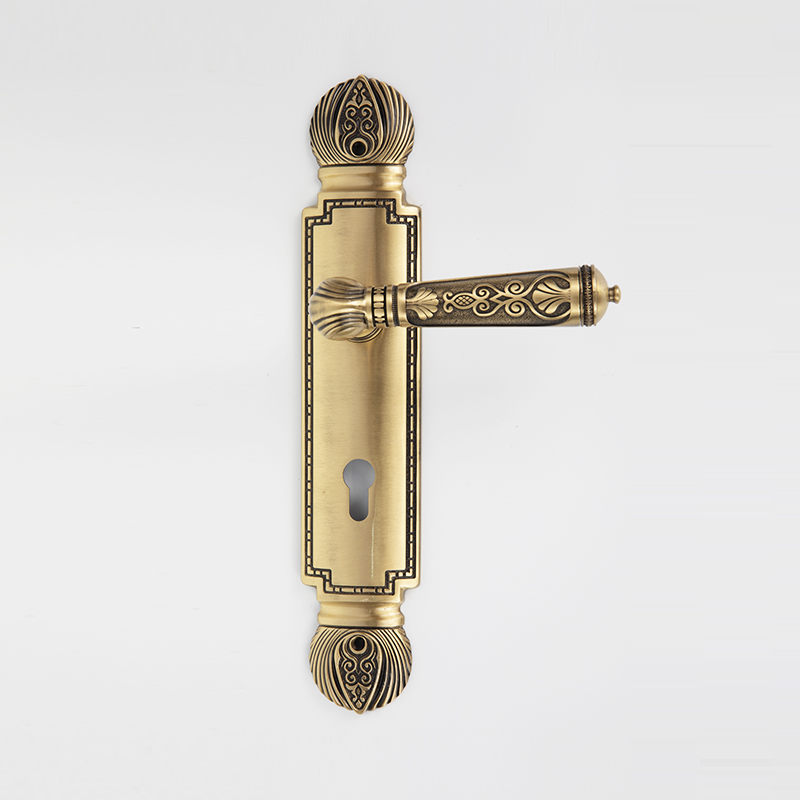
A door lock is a vital security feature that ensures your home or office remains protected. Whether it's for privacy or preventing unauthorized access, installing a door lock is a crucial task.
In this article, we’ll guide you through the steps of installing a door lock. We’ll also cover the necessary tools, materials, and provide helpful tips to make the process easier. By the end of this guide, you’ll be equipped to securely install a door lock in no time.
Before you start the installation process, it's important to gather all the necessary tools and materials to ensure a smooth experience. Below is a list of the tools and materials you'll need:
Tool | Purpose |
Screwdriver | Used to remove the old lock and secure the new one. |
Drill with Hole Saw Attachment | To drill the main hole for the lock and the latch hole. |
Measuring Tape | To ensure accurate placement of the lock and handle. |
Chisel | For creating space for the latch mechanism. |
Square | To ensure that your measurements are straight and accurate. |
Spade Drill Bit | For drilling the latch hole in the door’s edge. |
Material | Purpose |
Door Lock Kit | The main component of the installation, which includes the door handle and lock mechanism. |
Latch Mechanism | This piece fits into the edge of the door and controls the locking mechanism. |
Strike Plate | Installed on the door frame to accommodate the latch. |
Screws | To secure the lock, handle, and strike plate to the door. |
Begin by determining the appropriate height for your new door handle. The standard height is typically around 1050 mm (3 feet 5 inches) from the floor, but this can vary based on your personal preference or to match other door handles in your home. Use a measuring tape and a pencil to mark the desired position. If you are replacing an existing lock, align the new handle with the previous handle's height for consistency.
The backset is the distance from the edge of the door to the center of the handle hole. This measurement is essential for the proper fitting of the lock mechanism. The most common backset measurements are 60 mm and 70 mm, but always refer to your lock’s specifications for the correct backset distance. Use a pencil to clearly mark the center point on both sides of the door to guide your drilling.
Attach a hole saw attachment to your drill and align it with the marked backset center. Start drilling halfway through the door. Once you've drilled from one side, flip the door over and continue drilling from the other side. This prevents splintering, which can happen when drilling from one side. Ensure the hole is clean and straight for a proper fit.
Tip: Always drill slowly to avoid damaging the wood, especially when working with softer materials like pine or plywood.
Next, drill a hole for the latch mechanism. Use a spade drill bit that matches the width of the latch. The hole should be at the edge of the door, making sure it aligns properly with the handle hole you’ve just drilled. The hole for the latch must be deep enough to accommodate the full length of the latch.
Tip: Double-check the depth of the hole before inserting the latch to ensure it fits snugly.
Insert the latch into the hole you drilled for it. The beveled side of the latch should face the door frame. Mark the locations for the screw holes, then remove the latch to drill pilot holes. Once the pilot holes are drilled, secure the latch in place using screws. Ensure the latch sits flush with the door to prevent any gaps or misalignment.
Using a chisel, carve a small recess around the latch to ensure that it sits flush with the door. Trace the outline of the latch face with a pencil to guide the chiseling. Be careful not to chisel too deeply or too much, as this can make the latch too loose.
Tip: Work slowly and use small amounts of pressure to avoid damaging the door’s surface.
Now it’s time to attach the door handle. Align the outside handle with the spindle and insert it through the drilled hole. Attach the inside handle, ensuring it aligns properly with the outside handle. Tighten the screws to secure the handles in place. Check that the handle operates smoothly and turns freely without resistance.
Tip: Ensure the spindle is inserted properly through both handles before tightening the screws.
With the door handle and latch in place, close the door and mark the location of the latch onto the door frame. Measure the backset distance on the door frame and align the striker plate with the latch. Drill pilot holes for the screws, then secure the striker plate with screws, making sure it aligns properly with the latch mechanism.
Tip: If the striker plate doesn’t sit flush with the door frame, use a chisel to carve out a recess so it fits securely.
Once everything is installed, test the entire lock mechanism. Open and close the door, checking that the latch engages properly with the striker plate. Turn the handle to ensure smooth operation, and check that the lock engages and disengages without difficulty. If any part of the mechanism is misaligned, make small adjustments to correct it.
1. Test Lock Compatibility: Before purchasing a door lock, always ensure that it is compatible with your door’s thickness, design, and the existing hardware. Some locks may require modifications to the door or the frame, especially if you are replacing an old lock or installing one in a non-standard door. Be sure to measure your door's backset (the distance from the edge of the door to the center of the lock) and ensure it aligns with the specifications of the new lock. This will help avoid purchasing the wrong lock or needing to make unnecessary alterations.
2. Use High-Quality Materials: Always opt for high-quality locks and handles to ensure long-term reliability and security. Cheap, low-quality locks may wear out quickly, leading to functional problems or even failures. Investing in durable locks not only improves your home’s security but also saves you the cost of repairs or replacements in the long run. Choose locks made from solid materials like stainless steel or brass, and consider those that have a reputation for strong, consistent performance.
3. Double-Check Measurements: Accuracy in measurements is critical when installing a door lock. A small error in measurement can prevent the lock from fitting properly or functioning as intended. Measure the backset (the distance from the edge of the door to the center of the lock), the handle height, and the distance between the latch and the door frame carefully. Make sure your measurements are aligned with the specifications of the door lock. If the lock doesn’t align properly, the door may not close securely, leaving it vulnerable to unauthorized entry.
4. Consider a Deadbolt: For added security, consider installing a deadbolt alongside your regular door lock. A deadbolt provides an extra layer of protection and is especially effective for preventing forced entry. Unlike spring bolt locks, deadbolts require the turning of a key or a thumb turn to engage and cannot be easily manipulated. They are an excellent choice for external doors, providing peace of mind against intruders. When installing, ensure the deadbolt and regular lock align correctly and function smoothly together.
5. Lubricate Moving Parts: Once your door lock is installed, it's essential to maintain it by regularly lubricating the moving parts. This ensures smooth operation and reduces wear and tear on the components. Over time, the lock’s internal mechanisms can become stiff or jammed, especially in doors with heavy usage. Use a lubricant specifically designed for locks, such as graphite or silicone spray, to prevent rusting, jamming, and ensure optimal performance. Regular lubrication also helps maintain the durability of the lock, especially in harsh weather conditions.
If the lock mechanism doesn't fit into the hole, check the diameter and depth of the hole to ensure it's the correct size for the lock you're installing. If necessary, use a different hole saw size or adjust the hole with a chisel.
If the door handle feels loose after installation, double-check the screws that secure the handle to the spindle. If they are not tight enough, the handle will wiggle or become unstable.
If the latch doesn’t engage with the striker plate, the door or plate may need to be adjusted. Ensure the latch hole is deep enough and aligned with the striker plate. Also, check that the striker plate is flush against the door frame.
Installing a door lock is a straightforward DIY project that significantly enhances security and privacy. By following the steps outlined, you can easily install a new lock and enjoy increased peace of mind. At Ningbo Tongyi Metal Products Co., Ltd., we provide a wide variety of durable, high-quality door locks. Our products are designed for easy installation and reliable performance, making them an ideal choice for both residential and commercial security needs.
A: A door lock is a device that secures a door, providing privacy and protection for your space.
A: To install a door lock, drill the necessary holes, insert the latch, and secure the handle and lock mechanism.
A: You’ll need a screwdriver, drill with a hole saw attachment, measuring tape, and chisel for door lock installation.
A: Installing a door lock yourself saves money and ensures a secure and personalized installation.
A: Align the latch with the door frame, ensuring it’s flush and the strike plate fits securely for smooth operation.
A: If the door lock doesn’t work, check if the latch aligns with the strike plate and ensure the screws are tightly secured.