
Views: 0 Author: Site Editor Publish Time: 2025-12-30 Origin: Site


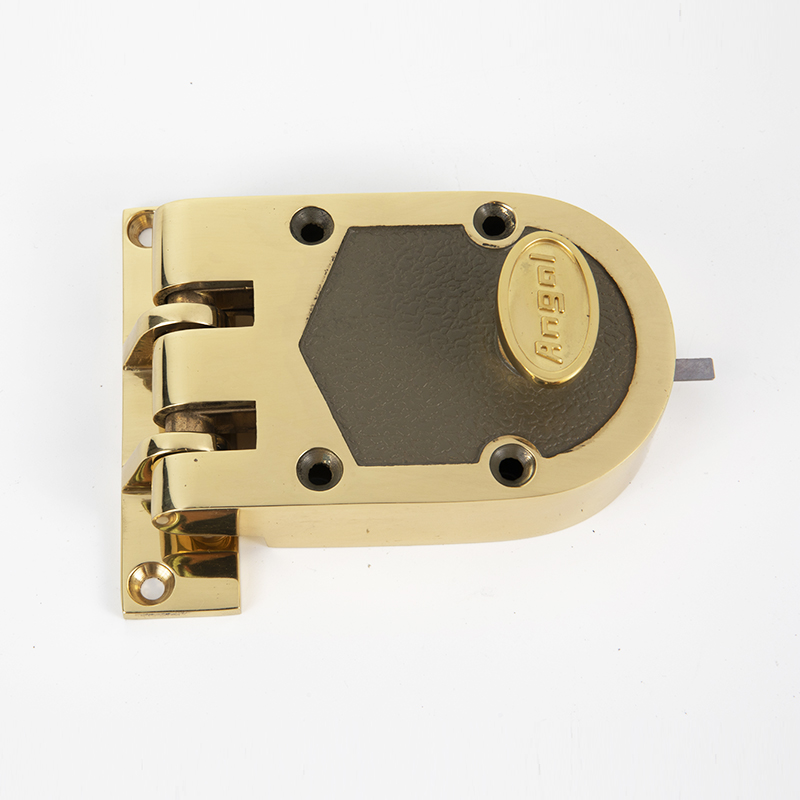
A door lock is one of the most essential components of any building, offering both security and privacy. Every time we lock or unlock a door, we engage a complex system of mechanisms that protect our space. Yet, many of us rarely consider how a door lock works.
In this article, we will explore how door locks function, breaking down their key components. We’ll also look at the different types of locks, from traditional pin tumbler to modern smart locks, and explain the working principles behind each. By understanding how your door lock operates, you’ll be better equipped to choose the right one for your needs or troubleshoot any issues.
The lock cylinder is the central component of most traditional door locks, particularly pin tumbler locks. The cylinder consists of a cylindrical housing that contains a core and several pins. When a key is inserted, the grooves on the key correspond to the pins inside the cylinder, pushing them to the correct height. Once the pins align with the shear line, the cylinder can rotate, and the lock mechanism is disengaged, allowing the door to open.
Component | Function |
Lock Cylinder | Holds the pins and enables the rotation of the locking mechanism when the correct key is inserted. |
Pins and Springs | Align with the grooves of the key, allowing the cylinder to rotate and unlock the door. |
Key | The key interacts with the pins to turn the cylinder and unlock the door. |
The key is the part of the locking system that interacts directly with the lock cylinder. The notches or cuts along the length of the key align with the pins inside the lock cylinder, pushing them to specific heights. If the correct key is inserted, the pins align, and the cylinder can rotate. This movement disengages the bolt or latch, unlocking the door. The wrong key will misalign the pins, preventing the lock from turning.
● Key Grooves: These are the cuts on the key that interact with the pins inside the lock cylinder.
● Pin Alignment: The key ensures the pins are raised to the correct level, allowing the lock to function.
The latch or bolt is the component that physically keeps the door secured. When the cylinder turns, it moves the bolt, which then locks into place within the door frame or into a catch. This prevents the door from being opened without the correct key. The bolt can be either spring-loaded, automatically engaging when the door is closed, or manual, requiring a turn of the handle or key to operate.
Component | Function |
Latch/Bolt | Secures the door by engaging with the door frame or catch. |
Spring-loaded Bolt | Automatically engages when the door is closed, making it easier to secure. |
Manual Bolt | Requires turning a key or handle to engage or disengage the bolt. |
The strike plate is installed on the door frame, and it is where the bolt or latch engages when the door is locked. It is essential for the lock’s security because it ensures that the bolt is securely held in place, preventing the door from being opened without the key. A sturdy strike plate is crucial for the integrity of the lock, as it helps prevent forced entry.
Component | Function |
Strike Plate | Provides a secure place for the bolt to engage, preventing the door from being forced open. |
The first step in unlocking a door is inserting the key into the lock cylinder. The key has notches or cuts along its length that correspond to the pins inside the cylinder. These pins are of different lengths and are held in place by springs. When you insert the correct key, the notches on the key push the pins up to their correct height, aligning them with the shear line. The shear line is the point where the pins must align to allow the cylinder to turn. Once the pins are aligned correctly, the cylinder is free to rotate, initiating the unlocking process.
Tip: If the key is difficult to insert, it may be due to misalignment or debris inside the cylinder. Clean and lubricate the lock mechanism if necessary.
Once the key is fully inserted and the pins are properly aligned, you can turn the key. Turning the key causes the cylinder to rotate, which then engages the lock mechanism. In traditional pin tumbler locks, this rotation of the cylinder moves the bolt or latch, disengaging the locking mechanism. Depending on the type of lock, this action either retracts the bolt or moves it into a catch, allowing the door to open.
In deadbolts, the same process occurs, but it requires either a key or thumb turn to move the bolt. Deadbolts offer greater security because the bolt is solid and doesn’t spring back when disengaged.
Tip: Make sure the key is fully turned to engage the bolt or latch completely. If there’s resistance, it could indicate a misalignment or issue with the lock mechanism.
As the cylinder rotates, the bolt moves. In many locks, this bolt is spring-loaded and automatically retracts as the cylinder turns. In deadbolt locks, the bolt is manually operated, meaning that turning the key or thumb turn retracts the bolt into the door, allowing it to open. This is a more secure system because the bolt fits snugly into a corresponding hole in the door frame.
When the bolt retracts, the door can open, as the locking mechanism is no longer engaged. In the case of magnetic locks, the electromagnetic field is released when the key or access system is activated, allowing the door to open.
Tip: If the bolt doesn’t retract smoothly, ensure that there are no obstructions in the latch mechanism and that the strike plate is properly aligned with the bolt.
If the lock doesn’t turn smoothly, check for dirt, rust, or debris inside the lock. Lubricating the keyhole with a silicone spray can help restore smooth operation. If the issue persists, it may indicate that the lock mechanism is worn out and needs replacing.
Misalignment between the latch and strike plate can prevent the door from closing properly. Adjust the strike plate or realign the door hinges if necessary. Ensure the bolt moves freely and the strike plate is securely positioned.
If the key doesn’t fit, it could be due to a worn-out key or a malfunctioning lock mechanism. If the key is worn, consider getting a new copy, or file down any imperfections. If the lock is faulty, it may need to be replaced.
Pin tumbler locks are the most common type of lock, found in both residential and commercial applications. They consist of a cylinder with pins of different lengths. When the correct key is inserted, the notches on the key push the pins to the correct height, allowing the cylinder to rotate and the door to unlock.
● Common Uses: These locks are used in homes, offices, and most standard doors.
● Functionality: Requires a key with specific cuts to match the pin pattern inside the lock.
A deadbolt is a more secure type of lock that is commonly used for external doors. Unlike spring-loaded locks, deadbolts need to be manually turned by either a key or a thumb turn to engage or disengage the lock. Deadbolts provide superior protection against forced entry due to their robust locking mechanism. There are two types of deadbolts: single-cylinder (operated by key on one side and thumb turn on the other) and double-cylinder (requires a key on both sides for additional security).
Type | Features |
Single-Cylinder Deadbolt | Key-operated on the outside, thumb turn on the inside. |
Double-Cylinder Deadbolt | Requires a key on both sides for extra security. |
Magnetic locks use electromagnetic force to secure a door. These locks are commonly used in high-security and commercial applications. When activated, the electromagnetic field holds the door in place, and a release mechanism must deactivate the field to open the door. These locks are often paired with controlled access systems.
Component | Function |
Magnet | Creates an electromagnetic field to secure the door. |
Release Mechanism | Deactivates the magnetic field to allow the door to open. |
Smart locks are part of the keyless entry systems that are becoming increasingly popular in both residential and commercial properties. These locks can be opened with smartphones, keypads, or biometrics (like fingerprints). Some smart locks offer Bluetooth or Wi-Fi connectivity, allowing remote control of the lock from anywhere, which adds a level of convenience and security. These locks also often offer additional features such as activity monitoring and guest access management.
Type | Features |
Bluetooth Smart Locks | Operate via smartphone app for easy entry. |
Wi-Fi Smart Locks | Allow remote access and monitoring via Wi-Fi. |
If the lock doesn’t turn, it may be due to debris, rust, or worn-out parts inside the mechanism. Lubricating the lock with graphite or silicone spray can help restore smooth functionality. If this doesn’t solve the issue, the lock may need to be replaced.
If the door doesn’t close properly, it may be due to misalignment between the latch and strike plate. You can adjust the position of the strike plate or realign the door hinges to ensure proper closing.
If the key doesn’t fit, it could be due to a worn-out key or a malfunctioning lock mechanism. If the key is worn, you may need to have a new one made. If the lock mechanism is the problem, consider getting the lock repaired or replaced.
Understanding how a door lock works is key to maintaining security and ensuring smooth operation. By learning about the components and mechanisms, you can make informed decisions when choosing the best lock for your needs. Whether you prefer a pin tumbler lock, deadbolt, or smart lock, knowing how each functions helps with troubleshooting and maintenance.
AtNingbo Tongyi Metal Products Co., Ltd., we offer a wide range of high-quality door locks that are durable and reliable. Our products cater to residential, commercial, and industrial applications, providing effective solutions for your security needs.
A: A door lock works by using a key to align pins inside the cylinder, allowing the cylinder to turn and unlock the door.
A: The working principle of a door lock involves the alignment of pins with a key, allowing the cylinder to rotate and retract the bolt.
A: The lock cylinder holds the pins and springs, which interact with the key to unlock the door by rotating the cylinder.
A: A deadbolt door lock requires a key to turn the cylinder, retracting the bolt and securing the door against forced entry.
A: Deadbolts and smart locks are among the most secure types of door locks, offering strong protection against unauthorized access.